Who Is YKNatura? A China-Based Private Label Supplement Manufacturer for OEM/ODM Brands
-
 Yukang Medicine Content & Manufacturing Team
- 14th October 2026
Who Is YKNatura? A China-Based Private Label Supplement Manufacturer for OEM/ODM Brands
Quick Answer: What Does YKNatura Do?
YKNatura is a dietary supplement manufacturing brand operated by Yukang Medicine (Guangzhou) Co., Ltd. in Guangzhou, China. The company presents private label, OEM and ODM manufacturing services for supplement brands, distributors, importers and e-commerce businesses.
Its published product portfolio includes drops, hard capsules, softgels, gummies, powders, liquids, effervescent tablets and chewable tablets. Depending on the project, customers can discuss formulation, ingredient specifications, serving sizes, bottle and packaging customization, sampling, production planning and relevant quality documentation.
Businesses evaluating YKNatura can explore its company profile, supplement product categories and manufacturing services to understand its published product range and service scope.
1. Company Identity and Manufacturing Background
YKNatura is the brand used by Yukang Medicine (Guangzhou) Co., Ltd. for its dietary supplement OEM/ODM and private label manufacturing business.
The company profile states that the business was founded in 2015 and describes a 10,000-square-meter production workshop, more than 100 pieces of manufacturing equipment and an R&D team of more than 30 specialists. These are company-published figures; buyers should request supporting information and confirm which facility, equipment and technical resources apply to their own project.
For more information about the company’s background and published qualification information, visit About YKNatura. Buyers should verify legal entity details, facility information and valid certification documents as part of supplier qualification.
2. Supplement Formats Listed by YKNatura
YKNatura’s website lists multiple supplement dosage forms. Each category is a starting point for brands comparing formats and customization possibilities. Availability and manufacturing arrangements should be confirmed for the specific product.
| Product category | Explore the website | Typical project considerations |
| Liquid drops | Drops category | Ingredient specifications, serving size, flavor where applicable, bottle capacity, dropper and label. |
| Hard capsules | Hard capsules | Ingredient blend, capsule type, fill weight, capsule count and bottle format. |
| Softgels | Softgels | Oil or compatible fill materials, shell properties, fill amount and packaging. |
| Gummies | Gummies | Formula compatibility, flavor, shape, texture, serving size and packaging. |
| Powders | Powders | Blend requirements, flavor, serving format, jar/sachet/stick-pack configuration. |
| Liquid supplements | Liquid supplements | Liquid base, fill volume, packaging compatibility and stability considerations. |
| Effervescent tablets | Effervescent tablets | Tablet specification, serving format, moisture protection and packaging. |
| Chewable tablets | Chewable tablets | Flavor, shape, compression, serving size and packaging configuration. |



Examples of Current Product Pages
The following pages provide concrete examples of product concepts and should be reviewed for the current specifications and customization terms:
- Private Label Black Seed Oil Drops— a botanical oil-based supplement concept with dropper packaging.
- HMB Liquid Drops— a liquid HMB supplement concept; confirm that the product images and specifications on the live page match the actual product before directing buyers to it.
- HMB Capsules 3000 mg— a capsule product example for brands assessing another dosage form.
- Private Label Lactase Enzyme Drops— an enzyme-drop product page describing a featured formula and packaging options.
3. What Can Be Customized?
Customization should be defined by the product specification rather than by broad promises alone. Depending on the dosage form, ingredient, availability and technical feasibility, discussions may cover the following areas.
Ingredients and formulation
Ingredient selection, ingredient forms, target amounts per serving, combination formulas, raw-material specifications and review of a customer-provided formula. The final formula must be technically feasible and approved before production.
Dosage form and serving format
The intended format may include drops, capsules, softgels, gummies, powders, liquids, effervescent tablets or chewable tablets, subject to the capabilities of the applicable production line. Serving size, fill volume, count per container and label declarations should be confirmed in the final specification.
Packaging and private label design
Project discussions may include bottle capacity, dropper configuration, closures, labels, cartons, sachets, jars, stick packs and other available packaging formats. Final options depend on material availability, formula compatibility, approved artwork and applicable labeling requirements.
Quality requirements and target markets
Buyers should identify their target country or region early. Testing, product documentation and labeling requirements can differ by ingredient, product format and market. The applicable requirements should be agreed upon before sampling and bulk production.
4. Private Label vs. OEM vs. ODM
Private label manufacturing
Private label projects often start from an existing or established product concept that will be sold under the customer’s brand. The project may include product selection, label development, packaging configuration, specification confirmation and production planning.
OEM manufacturing
OEM projects generally follow a buyer-provided formula or defined specification. The manufacturer reviews the proposed ingredients, formula and production requirements to determine feasibility. Formula ownership, supplied specifications and artwork rights should be clarified in writing.
ODM manufacturing
ODM projects typically involve more product-development support. Depending on the agreed scope, this can include formulation discussion, ingredient selection, sampling, packaging development and preparation for bulk manufacturing.
YKNatura’s published OEM/ODM supplement manufacturing services provide a starting point for discussing the required service scope. Ask for written confirmation of which development, testing, packaging and production activities are included in the quotation.
5. From Product Concept to Production
- Step 1 — Project brief:The buyer shares the dosage form, ingredients, serving size, target market, packaging preferences and estimated order quantity.
- Step 2 — Technical review:The project team reviews formula requirements, raw-material availability, packaging options and technical questions before sampling.
- Step 3 — Sample development:Where sampling is available and appropriate, both parties confirm sample specifications, fees, timing and approval criteria.
- Step 4 — Specification approval:The final formula, product specification, artwork, packaging components and quality requirements are confirmed before bulk production.
- Step 5 — Production planning:Confirm the order details, material readiness, production schedule, MOQ and lead time for the specific SKU.
- Step 6 — Quality checks and delivery:Complete applicable production and finished-product checks, confirm required batch documents and agree on shipping arrangements.
Published case studies provide more context on how formula review, sample feedback, packaging coordination and production planning may affect a project. See the probiotic powder manufacturing case study and the custom gut health powder case study.
6. Quality Documentation and Supplier Verification
Reliable supplier evaluation requires evidence that matches the specific facility, product and order. Buyers should ask what testing and documentation will actually be provided for their project rather than relying on general statements such as “premium quality.”
- Raw-material identity, specifications and supplier documentation.
- Relevant potency or marker-compound testing, where applicable.
- Applicable microbiological and heavy-metal testing.
- Finished-product testing and a finished-product COA where included in the agreed testing plan.
- Batch identification, traceability and packaging inspection records.
- Stability or shelf-life support appropriate to the product and package.
A raw-material COA and a finished-product COA are not interchangeable. The testing scope, laboratory, test date, batch identity and included parameters should be clear in the documentation.
YKNatura publishes company and qualification information on its About Us page. Buyers should request current documents and verify the certificate holder, issuing organization, validity, scope and facility address before relying on any certification statement.
For U.S.-market projects, FDA facility registration should not be described as FDA approval or certification of a dietary supplement. Product labeling and other regulatory responsibilities should be assessed under the applicable requirements.
A practical supplier qualification process combines document review, sample evaluation and, where appropriate, a factory audit or other direct verification.
7. Manufacturing Experience: Published Customer Cases
Manufacturing experience is most useful when it is illustrated by specific, documented project steps rather than broad promotional claims. YKNatura’s published customer cases describe projects involving formula review, sample revisions, packaging coordination, production planning and shipment support.
Read the private label probiotic powder case study and the custom gut health powder case study. These are company-published accounts. Prospective buyers should request relevant examples and determine whether the demonstrated experience matches their own product requirements.
8. Who May Be a Good Fit for YKNatura?
- Supplement brands expanding an existing product line.
- Start-ups developing an initial private-label supplement.
- Importers and distributors looking for a manufacturing partner.
- E-commerce businesses building branded supplement products.
- Sports nutrition businesses exploring HMB or related product concepts.
- Businesses comparing drops, capsules, gummies, softgels, powders or liquids for a new product.
Suitability depends on the formula, target market, quantity, packaging, quality documentation and required production capabilities. Buyers needing several dosage forms should confirm whether each format is manufactured at the same facility, through an affiliated site or by an external partner, and clarify who is responsible for final quality release.
9. Questions to Ask Before Choosing a Supplement Manufacturer
- What is the legal entity that will sign the manufacturing contract?
- Which facility will manufacture the product, and are any production steps outsourced?
- Which parts of the formula can be customized, and what limitations apply?
- What are the MOQ, sample fees, packaging minimums and confirmed lead time for this SKU?
- Which tests and documents are included in the quotation?
- Which certificates apply to the actual production site and product category?
- Who owns the custom formula, labels, artwork and other intellectual property?
- How are nonconforming products, specification changes and shipping issues handled?
A written product specification, clear commercial terms and verifiable manufacturing documents provide a stronger basis for selecting a supplier than website claims or certification logos alone.
10. Frequently Asked Questions
Is YKNatura a supplement manufacturer or a trading company?
YKNatura presents itself as a private label and OEM/ODM manufacturing brand operated by Yukang Medicine (Guangzhou) Co., Ltd. Buyers should verify the contract entity, actual production location and manufacturing responsibilities for each project.
What supplement types does YKNatura list?
The website lists drops, hard capsules, softgels, gummies, powders, liquids, effervescent tablets and chewable tablets. Explore the full supplement product portfolio.
Can ingredients, formulas and packaging be customized?
Customization can be discussed according to the dosage form, ingredients, technical feasibility, available materials and project requirements. Final specifications should be approved before bulk production.
What is the minimum order quantity?
MOQ depends on the product, ingredients and packaging configuration. Some product pages publish a starting MOQ of 1,000 units, but buyers should obtain a written MOQ for their specific SKU.
Can samples be requested before bulk manufacturing?
Sample arrangements can be discussed during the project review. The sample requirements, fees, timeline and approval criteria should be confirmed before the sample order is placed.
What quality documents should buyers request?
Depending on the product and agreed testing plan, relevant documents may include raw-material specifications, COAs, finished-product test reports, batch records and applicable certificates. Buyers should confirm exactly which documents are provided for their project.
How can an overseas business contact YKNatura?
Submit the proposed ingredients, dosage form, specifications, estimated quantity, packaging requirements and target market through the YKNatura contact page.
Contact YKNatura About Your Supplement Manufacturing Project
YKNatura works with businesses evaluating private label, OEM and ODM manufacturing options across multiple supplement dosage forms. If you have an existing formula, a reference sample or a new product concept, prepare your intended ingredients, product specifications, packaging requirements, target market and estimated order quantity before requesting a quotation.
To continue your evaluation, review the YKNatura company profile, explore the current product portfolio and read the published manufacturing services and case studies.
| Discuss Your Supplement Manufacturing Project
Send your product concept, ingredients, dosage form, packaging requirements, target market and estimated quantity through the YKNatura contact page. |
Yukang Medicine Content & Manufacturing Team
Latest Supplement Manufacturing Insights
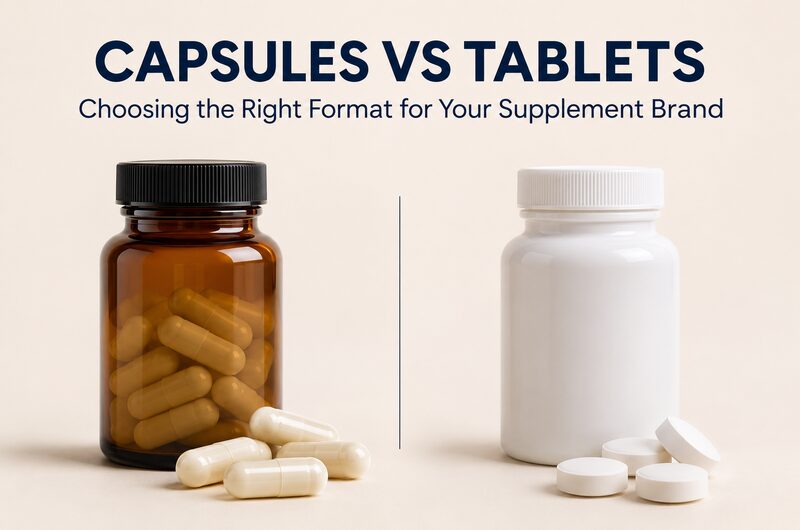
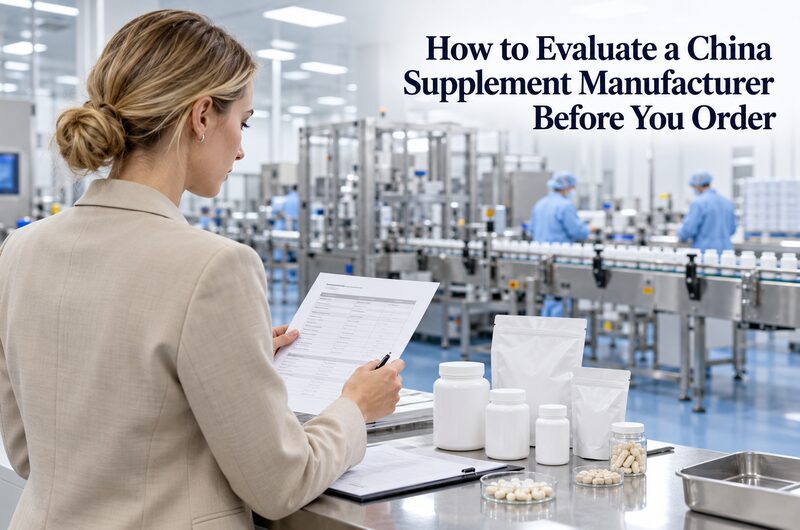
How to Evaluate a China Supplement Manufacturer Before You Order
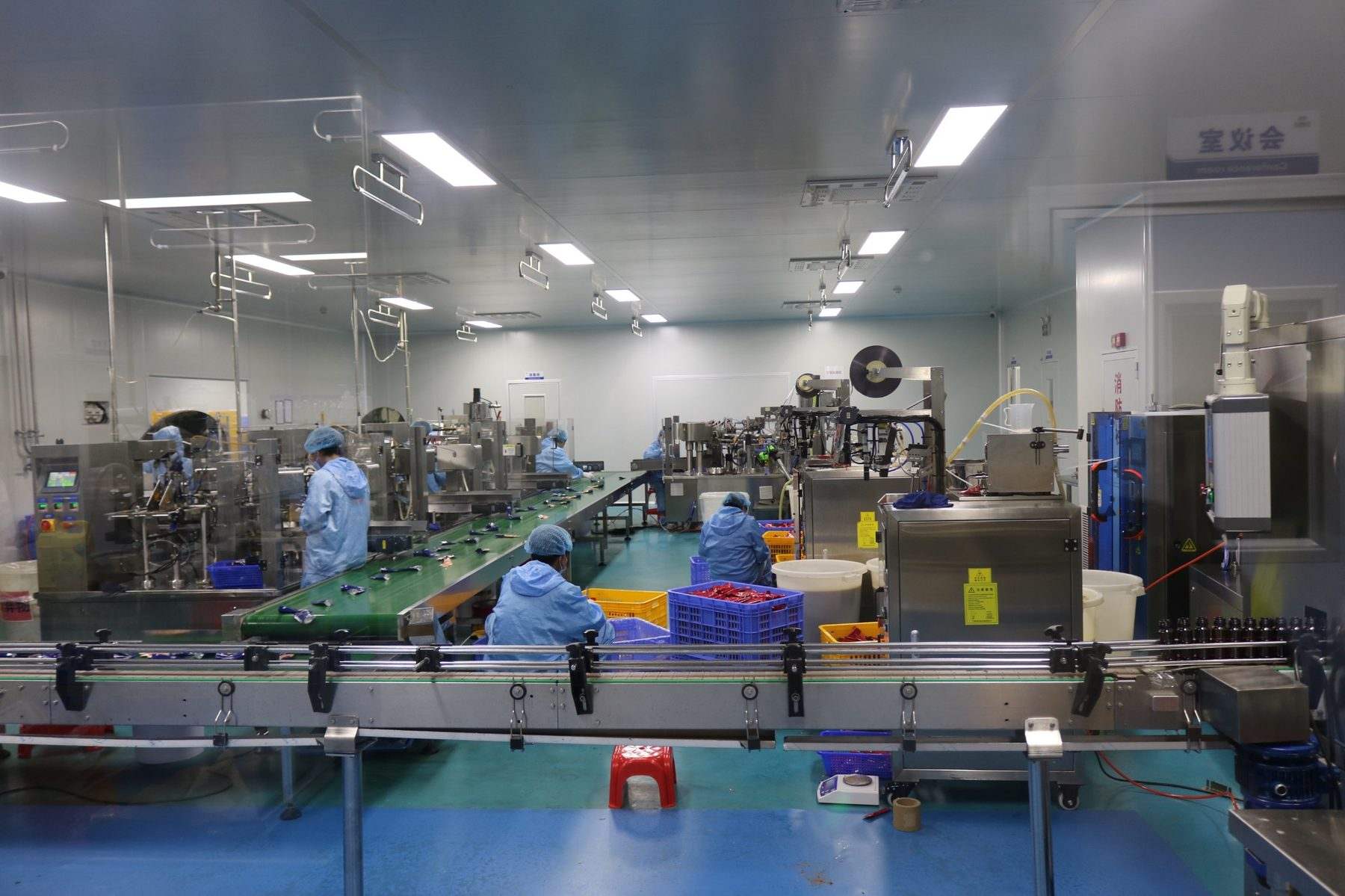
Capsules Gummies Powders and Softgels Guide for Supplement Brands