Capsules vs. Tablets for Private Label Supplements: How Brands Choose the Right Format
-
 Yukang Medicine Content & Manufacturing Team
- 3rd November 2026
The short answer
A capsule is not automatically more premium. A tablet is not automatically cheaper. And a formula that looks fine on a label is not automatically practical to make in either format. For a private label supplement, the better route is the one that can carry the intended dose, fit the customer routine, survive packaging and shipping, and be produced consistently.
This is why the capsule-versus-tablet decision belongs near the start of product development, not at the end. The most expensive revisions tend to arrive after a brand has already chosen a bottle, designed a label, or requested a one-unit serving that the formula cannot realistically support.
This guide is written for supplement brands, distributors and e-commerce teams evaluating a private label, OEM or ODM project. It explains the manufacturing questions in plain language. It is not medical, legal or regulatory advice, and a final formula always needs project-specific review.
Start with the formula not the bottle
A common enquiry begins with a bottle count: “Can we do 60 capsules?” That is useful information, but it is not the first manufacturing question. The first question is what needs to go into each serving. A formula can include a single ingredient, several extracts, vitamins, minerals, processing aids and a capsule shell or tablet system. All of that takes space and affects how the blend behaves.
Ingredient weight alone does not tell the whole story. Two blends with the same milligram number can occupy very different amounts of space. Some powders are light and bulky. Some do not flow evenly. Some take on moisture. Others may need a different approach so the final product is consistent from the first bottle to the last.
YKNatura reviews hard capsule projects and tablet concepts as manufacturing projects, not simply as label-and-bottle projects. The useful goal is to settle the formula direction, serving plan and packaging direction before sample and production materials are committed.
What actually changes between a capsule and a tablet
| Decision point | Capsules | Tablets |
| How the formula is held | A prepared blend is filled into a shell. | A prepared blend is compressed into a fixed shape. |
| First feasibility check | Can the intended serving fit into a realistic capsule count? | Can the blend compress into a practical tablet size and finish? |
| Customer-facing choices | Shell material, capsule size and number per serving. | Shape, size, coating, color and chewable or swallow format. |
| Packaging questions | Bottle count, closure and moisture-management direction. | Bottle or other pack, tablet protection and any coating considerations. |
| What should be fixed before quoting | Serving, shell, capsule count and finished pack. | Serving, tablet format, coating needs, count and finished pack. |
Capsules hold a prepared blend inside a shell
A two-piece hard capsule is filled with a prepared powder or granule blend and closed inside a shell. That sounds simple, but a good capsule brief still needs answers: What is the fill weight? Is one capsule realistic, or does the serving require two or three? Does the project need a gelatin or vegetarian shell? What bottle count makes sense once the daily serving is known?
Capsules are often a practical first route for dry blends, botanical extracts, vitamins, minerals and multi-ingredient products. They can also give a brand a clear shell-material choice. But a capsule is not a magic container. If the serving is too large or the blend is too bulky, the answer may be more capsules per serving, a different format, or a change to the brief.
Tablets are compressed into a fixed shape
A tablet is made by pressing a prepared blend into a defined size and shape. That means the formula needs to do more than fit on paper. It needs to form a tablet that can be made consistently, handled during packaging and used as intended. Size, thickness, hardness, shape, coating and final pack all matter.
The word “tablet” also covers different customer experiences. A standard swallow tablet, a film-coated tablet and a chewable tablet are not the same project. A chewable, for example, makes taste and mouthfeel part of the development conversation. A coated tablet adds another production and presentation decision. The best option is the one that supports the actual formula and the way the customer is expected to use it.
For a closer look at the production steps, read YKNatura’s custom tablet manufacturing guide.
The first hard question is serving size
The question that saves the most time is not “Can this be a capsule?” It is “How much does one serving need to contain, and how many units is the customer expected to take?” A brand may want a one-capsule serving because it reads cleanly on a label. But a higher-dose or low-density blend may need multiple capsules. The same issue applies to tablets: a larger amount per serving can mean a larger tablet or more than one tablet.
This affects the bottle story. A 60-capsule bottle can represent 60 days of use, 30 days of use or 20 days of use depending on the serving size. Buyers compare products by more than the number printed on the front panel, so brands should be clear about the daily serving before they compare a quote or write label copy.
For example, YKNatura’s HMB capsules 3000 mg configuration uses a 90-capsule bottle with 30 servings. It is an example of why a higher serving strength may be planned as multiple capsules rather than forced into one.
For U.S.-market labels, serving size and servings per container are not decorative details. They shape how the Supplement Facts information is presented. The FDA’s dietary supplement labeling guide explains that a serving corresponds to the maximum recommended amount per eating occasion, and that the number of servings depends on that serving size.
See the FDA dietary supplement labeling guide when a U.S. label is being prepared. Final label compliance should always be reviewed for the product and target market.
When capsules make practical sense
Capsules are often worth assessing first when the project is built around dry ingredients and the brand can accept a realistic capsule count. They are commonly considered for botanical extracts, single-ingredient products, vitamins, minerals, amino acids, probiotics and blended formulas. The final decision still depends on what is inside, not just the category name.
A useful capsule conversation includes the shell material, the target fill, the number of capsules per serving, the intended bottle count and the storage plan. That is more helpful than asking for “vegetarian capsules” in isolation. A vegetarian shell can be part of the requirement, but the rest of the formula and the packaging still need to support the finished product.
YKNatura’s milk thistle extract capsule example shows a vegetarian capsule configuration. It is a reference point for format and packaging discussion, not a one-size-fits-all specification.
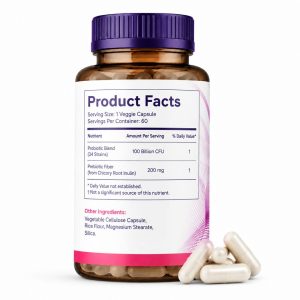
Capsule-format packaging example. Serving size, capsule count, shell material and finished pack should be confirmed together before artwork is finalized.
When tablets may be the better route
Tablets are worth evaluating when the blend can be compressed into a practical form and the product concept calls for a familiar swallow tablet, a film-coated tablet or a chewable format. They can give brands options around shape, color, coating and presentation. Those options should be treated as product specifications, not late-stage design preferences.
The sharpest question to ask a tablet supplier is: “What happens if the formula does not compress well?” A serious answer should lead to a review of the formula, serving, tablet dimensions and packaging—not a quick promise that every blend can be made into the same tablet. Some combinations are bulky, difficult to bind, sensitive to moisture or simply too large for the proposed tablet size.
Tablets are also not automatically the lower-cost option. A comparison only means something when the dose per serving, tablet count, coating, bottle, label, carton and quantity are all comparable. A simple price-per-bottle comparison can hide a different serving count, a different ingredient form or a different level of packaging support.
A custom ashwagandha tablet project illustrates the project details that should be discussed early: extract specification, dosage, tablet count, bottle, label and outer packaging.
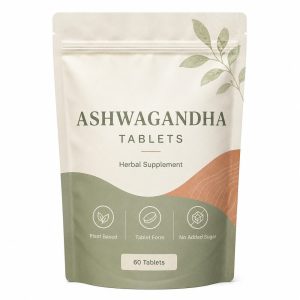
Tablet-format packaging example. Dosage, tablet count, label space and the intended retail presentation are part of the manufacturing brief.
Five questions that prevent costly revisions
Before a sample or quote is approved, a brand should be able to answer these questions in plain language:
- Does the intended serving fit into a realistic number of capsules or tablets?
- If the project needs a vegetarian shell, coating, chewable format or a particular tablet shape, has that been stated in the brief?
- Does the bottle count match the daily serving and the number of days the customer expects from one pack?
- Has the label been checked against the final serving size rather than against an early concept?
- Does the quote identify what is included: formula work, samples, testing, bottle, label, carton and production quantity?
There is another question that is easy to overlook: who owns the final formula and who can approve substitutions? A custom project does not automatically mean a formula is exclusive, and an ingredient substitution can change more than the label. It can affect the serving, cost, supply plan or production behavior. Those details should be put in writing before a project moves from concept to a bulk order.
Brands weighing a ready-to-brand route against a more tailored project can read Private Label vs Custom Supplement Manufacturing.
Packaging is not the last step
Packaging does more than make a bottle look finished. It has to hold the chosen capsule or tablet count, protect the product during storage and shipping, and provide enough space for accurate label information. Bottle capacity, cap, induction seal, desiccant, label area, carton and transport packaging should be discussed alongside the product format.
This is particularly important when a project is moisture-sensitive, when a tablet has a coating that needs protection, or when a brand is selling through a channel with repeated handling. It is much easier to change a packaging direction during the brief stage than after components have been ordered.
Explore YKNatura’s supplement product formats for a starting view of capsules, tablets, powders, softgels, gummies, liquids and other routes. If a capsule or tablet does not fit the final brief, changing format early is usually the better decision.
What to send before asking for a quote
A complete formula is useful, but it is not the only way to begin. A reference product, an ingredient wish list, a sample, a label draft or a clear product idea can all provide a starting point. The important thing is to separate what is fixed from what is still open.
| Send this before quoting | Why it matters |
| Formula, ingredient direction or a reference product | It gives the manufacturing team a starting point for formula and format feasibility. |
| Target amount per serving and daily serving | It determines the practical capsule or tablet count and the label serving plan. |
| Preferred format and customer experience | It clarifies shell, coating, chewable, size or presentation requirements. |
| Bottle count and packaging direction | It affects pack selection, label space and the finished quotation. |
| Target market, quantity and launch window | It helps identify the right documentation, sourcing and production plan. |
This gives the manufacturing team a real brief instead of a guess. It also produces a more useful quote: one based on the formula, serving, packaging and quantity you actually plan to sell—not a generic number that changes once the details arrive.
When neither capsules nor tablets are the right answer
A strong manufacturing partner should be willing to say when a format is not the best fit. A high-volume serving may be more practical as a powder. An oil-based system may need a softgel or liquid format. A product whose main appeal is flavor and chewing experience may be better suited to a gummy or chewable tablet. Changing the format early is not a setback. It is often the decision that protects the product experience and the launch plan.
For a broader comparison, see Capsules Gummies Powders and Softgels Guide for Supplement Brands.
Questions brands ask before they commit
Can the same formula be made as both capsules and tablets?
Sometimes, but it needs separate assessment. A blend suitable for capsule filling may not compress into a stable tablet without adjustment.
Are vegetarian capsules always the right choice for a plant-forward brand?
Not automatically. Shell material is one part of the product brief. The formula, target market, labeling requirements and packaging still need to be reviewed together.
Are tablets always cheaper than capsules?
No. Final cost depends on the formula, serving size, tablet specification, coating, shell choice, packaging and quantity. Compare quotes only when the specifications match.
Can a brand begin without a final formula?
Yes. A reference product, ingredient direction or product idea can be enough to begin a feasibility discussion. The project should become more specific before samples and bulk production are approved.
What should be approved at the sample stage?
Confirm the agreed format, serving count, appearance, packaging direction and any format-specific experience such as a chewable tablet’s taste and texture. The final approval process should be documented for the project.
What is a reasonable starting quantity?
YKNatura publishes projects from 1,000 units, subject to formula and packaging requirements. A project-specific quote should confirm the final MOQ, because ingredients and custom packaging can change it.
Choose the format that can carry the whole project
The best choice is not the format that looks easiest at the beginning. It is the format that supports a realistic formula, a clear serving plan, understandable label information, suitable packaging and repeatable production. When those parts are aligned early, sampling and quotation become much more useful—and the brand has fewer surprises before launch.
If you have a formula, a reference product or an early product concept, share the details for an initial manufacturing review. YKNatura can help assess the practical route for capsules, tablets or another supplement format before sampling begins.
Start your project: Contact YKNatura | Email: marketing@collagenyoung.com | WhatsApp: +86 18988857009
Yukang Medicine Content & Manufacturing Team
Latest Supplement Manufacturing Insights
How to Evaluate a China Supplement Manufacturer Before You Order
Capsules Gummies Powders and Softgels Guide for Supplement Brands