Capsules Gummies Powders and Softgels Guide for Supplement Brands
-
 Yukang Medicine Content & Manufacturing Team
- 30th October 2026
A practical manufacturing guide for choosing the right supplement format before formulation, packaging, sampling, and production.

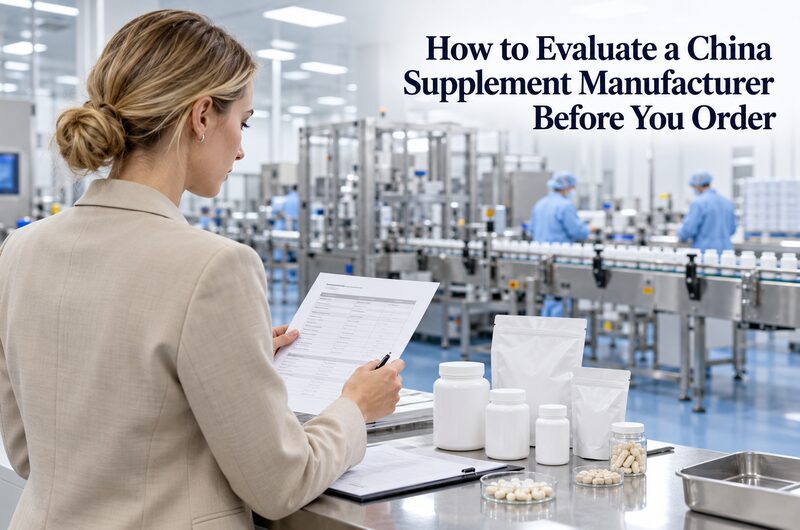
A clean production environment is one part of a repeatable supplement manufacturing process.
Prepared by YKNatura Editorial Team | Updated October 2026
Article Definition
This article helps supplement brands, distributors, and e-commerce businesses choose between capsules, gummies, powders, and softgels. It explains the manufacturing questions that should be answered before a format is selected: active dose, ingredient compatibility, taste expectations, packaging, order quantity, target market, and launch timing. It is general B2B manufacturing information, not medical, legal, or regulatory advice.
The Short Answer
There is no universally best supplement format. Capsules are often a practical route for dry, dose-driven formulas. Gummies can make sense when flavor and a chewable experience are central to the brand. Powders are useful when a serving needs more room or is meant to be mixed into a drink. Softgels are commonly considered for oil-based or liquid-fill ingredients. The best format is the one that fits the formula, customer, packaging plan, and commercial reality of the project.
Quick Comparison of Supplement Formats
| Format | Often a practical fit for | Early decision to make | Manufacturing point to review |
| Capsules | Dry blends, botanical extracts, vitamins, minerals | Target dose and capsule count | Fill weight, capsule size, shell choice, powder flow |
| Gummies | Flavor-led, lifestyle-oriented concepts | Serving size and sensory direction | Active dose, flavor, texture, coating, stability |
| Powders | Drink mixes and larger-serving formulas | Serving weight and drinking experience | Mixability, flavor system, moisture control, pack format |
| Softgels | Oil-based or liquid-fill concepts | Fill compatibility and softgel size | Oil system, shell, fill volume, packaging |
Use this table as a starting point rather than a formula recommendation. A manufacturer should review the actual ingredients, target dose, packaging, and destination market before confirming a production route.
Start With the Product Brief Not the Trend
It is easy to begin with a format that looks popular in a category. That can be a costly shortcut. A gummy may look right for a lifestyle product, yet the desired dose may be difficult to fit into a realistic serving. A capsule may handle the formula well, but it may not match a customer who expects a flavored drink. The useful sequence is to define the product job first, then choose the format that can deliver it without creating avoidable development work.
For a view of the available dosage-form routes, start with YKNatura private label supplement products. The portfolio includes capsules, gummies, powders, softgels, tablets, liquids, and other formats for OEM and ODM discussions.
When Capsules Make the Most Sense
Capsules are often considered when the product is built around dry ingredients and the brand wants a straightforward, familiar format. They can be a practical option for botanical extracts, vitamin and mineral combinations, and multi-ingredient powder blends. Because the consumer swallows the product rather than tastes it, flavor development is usually not the central issue.
That does not mean capsule development is automatic. The daily dose may require one capsule or several. The powder must be suitable for filling, and the fill weight needs to fit the chosen capsule size. Brands should also decide whether a gelatin or vegetarian capsule better fits the positioning, target market, and project requirements. These decisions should be settled before artwork and packaging are finalized.
Brands comparing capsule projects with other routes can begin from the supplement format overview. A clear capsule brief should include target ingredients, dose per serving, preferred shell, capsule count per bottle, packaging concept, estimated quantity, and target market.
When Gummies Are the Better Brand Experience
Gummies are often chosen because the product experience is part of the positioning. Flavor, chew, color, shape, and format can all contribute to how a customer perceives the product. For a brand that wants a more approachable, lifestyle-oriented product, those details can be commercially important.
Gummy development needs an early feasibility conversation. The active ingredients still have to fit a practical serving size, and their taste, color, and stability can affect the final product. A formula that works well in a capsule is not automatically a good gummy formula. The brand should decide the number of gummies per serving, flavor direction, color expectations, texture, surface finish, and whether a gelatin or plant-based system is being considered.
See the current private label gummy supplement manufacturing options. This page is a useful internal link for brands evaluating formula, flavor, shape, label, and packaging customization.

Production-line handling is relevant to repeatability, packaging preparation, and production planning across dosage forms.
When Powders Are the Strongest Option
Powders give a product more room when the serving is too large for a capsule or when the intended use is a beverage. They are often considered for drink mixes, protein blends, electrolyte products, greens formulas, and other projects where a scoop, sachet, or stick pack supports the customer experience.
A powder project is also a sensory and packaging project. A formula may have the right ingredients on paper but still need work on mixability, sweetness, acidity, mouthfeel, and moisture management. The packaging choice matters early: a tub, pouch, sachet, or stick pack changes the filling method, consumer use, and commercial presentation. Asking for a powder quotation without a serving weight or packaging direction makes a useful comparison difficult.
Review examples of private label powder supplement manufacturing. The product pages show different powder directions, including drink mixes and higher-serving formats, without suggesting that one format is right for every project.
When Softgels Are the Right Fit
Softgels are commonly evaluated for oil-based or liquid-fill products. The first question is not whether a softgel looks premium. It is whether the ingredients, fill system, serving size, and desired softgel size work together. That requires a technical review of the actual formula rather than a decision based only on a competitor product.
Brands should establish the preferred oil or liquid-fill direction, servings per bottle, softgel size, shell requirement, target market, and packaging plan. These details affect feasibility, price, lead time, and how the finished product will be presented. If the project needs a custom bottle, label, shrink band, or carton, those specifications should be reviewed alongside the formula rather than at the end.
For the softgel route, see private label softgel supplement manufacturing. YKNatura describes support for oil-based and liquid-filled softgel projects, together with ingredient sourcing, testing, packaging, and bulk production discussions.

Dedicated equipment and controlled production areas are part of the manufacturing discussion once a format has been selected.
Five Questions That Make Format Selection Easier
- What dose needs to fit into one serving? Dose is one of the first practical constraints. It affects how many capsules or gummies a customer would need, whether a powder serving is more sensible, and what size of softgel may be feasible.
- Is taste part of the product promise? When the customer experience depends on flavor, the project needs more than an ingredient list. Gummies and powders require an early discussion about taste direction, sweetness, mouthfeel, and the number of units in a serving.
- Are the ingredients compatible with the proposed format? Dry blends, oil systems, flavor-sensitive ingredients, and high-dose formulas have different constraints. Technical feasibility should be reviewed before labels, packaging, and launch dates are promised.
- How will the finished product be packed and sold? A bottle, pouch, stick pack, blister, and retail carton are not late-stage cosmetic decisions. They influence production planning, component lead times, shipping, and the first order quantity.
- How much customization is truly needed for the first launch? A ready-made or lightly customized route can be a practical way to test demand. A fully custom concept may create a more distinct product, but it usually brings more development and approval decisions. The right choice depends on the brand strategy, not on a universal rule.
What to Send a Manufacturer Before Asking Which Format Is Best
A useful recommendation starts with a useful brief. Send the manufacturer the product concept or ingredient list, target dose per serving, preferred format if you have one, intended sales market, estimated quantity, packaging direction, and launch target. A benchmark product can be helpful, but it should be treated as a reference rather than a specification.
At YKNatura, projects can be discussed across private label, OEM, and ODM routes. The published product information notes that MOQ, lead time, and technical options can depend on the formula, packaging, and customization level. For many standard projects, the published starting MOQ is 1,000 units; the exact number should be confirmed for the specific SKU.
For a broader decision between a stock-style route and a more tailored project, read Private Label vs Custom Supplement Manufacturing.

A clear project brief helps coordinate formula review, packaging preparation, production scheduling, and quality checks.
A Practical Timeline for Format and Packaging Decisions
The format decision should happen before the project becomes expensive to change. Once the formula direction, serving size, packaging components, and artwork are moving at the same time, a change in one area can affect the others. For many standard projects, YKNatura states that samples are generally planned in around 7 to 10 days after project details are confirmed and standard production is often around 15 days. Custom packaging or complex product requirements may need additional time. Treat every timeline as project-specific until the formula and components are confirmed in writing.
If your product is still at an early stage, this guide on launching a supplement brand from idea to production provides a useful next step before requesting a final quotation.
Frequently Asked Questions
Which supplement format is best for a high-dose formula?
There is no single answer. A larger serving can make a powder more practical, while some formulas may be divided across several capsules or other units. The ingredient profile, intended customer experience, packaging, and target cost should be reviewed together.
Are gummies suitable for every supplement ingredient?
No. Ingredient dose, taste, color, texture, stability, and the desired number of gummies per serving can all affect whether a gummy route is practical. A manufacturer should review the complete formula before confirming this format.
Can a capsule formula be converted into a powder or gummy?
Sometimes, but conversion is not automatic. A powder may need flavor and mixability work. A gummy may need changes to dosage, flavor masking, texture, or serving size. Treat a format change as a new feasibility review.
What is usually easiest for a first private label launch?
The most practical route is usually the one with a manageable formula, clear packaging direction, and a realistic order plan. A standard or lightly customized product may have fewer moving parts than a fully custom project, but the right choice depends on the brand goal.
How long do samples and production take?
YKNatura publishes a general sample timeline of around 7 to 10 days after project confirmation and standard production around 15 days for many projects. Final timing depends on ingredients, format, packaging, artwork, and production scheduling.
What should be confirmed before requesting a quote?
Send the formula or product idea, dosage form, target dose, estimated quantity, packaging preference, target market, and requested timeline. This gives the manufacturer enough information to identify practical questions before giving a comparable quotation.
Choose the Format That Supports the Full Product Plan
The best supplement format is the one that supports the full product plan: the ingredients, realistic serving size, customer experience, packaging, budget, and launch schedule. A clear brief gives the manufacturer a better basis for discussing feasibility and helps the brand avoid avoidable changes after samples or artwork have started.
To start a project discussion, visit YKNatura Contact Us and share your format, ingredients, target quantity, packaging idea, and sales market.
Yukang Medicine Content & Manufacturing Team
Latest Supplement Manufacturing Insights