How to Launch a Supplement Brand From an Idea: Formula, Samples, Packaging and Production
-
 Yukang Medicine Content & Manufacturing Team
- 23rd October 2026

Launching a supplement brand is less about finding a trendy ingredient and more about making a sequence of connected decisions that hold up after the first order. A formula may sound promising but not fit inside a capsule. A bottle may look right online but add avoidable shipping cost. A launch date may be realistic until the label, carton, or sample needs another round of approval.
This guide is written for founders, e-commerce teams, distributors, and wellness businesses that want to turn a product concept into a finished supplement. It follows the practical manufacturing path: define the brief, choose the format, develop the formula, approve samples, finalize packaging, and prepare for production.
The Short Answer
A supplement brand launch usually starts with a defined product brief: target customer, product format, target market, core ingredients, packaging, and expected order quantity. From there, a qualified manufacturer can assess the formula, prepare samples, support packaging development, and schedule production after all specifications are approved.
Before You Start Choose the Right Manufacturing Path
One early decision shapes the entire project: whether to start with a stock private label formula, customize an established formula, or develop a fully custom product. There is no universal “best” option. The better choice depends on your budget, timeline, market position, and how much differentiation you need.
| Route | Usually a fit for | What to expect |
| Private label | A fast first launch or a straightforward category entry | Existing formula direction, lower development complexity, brand-led packaging. |
| Formula customization | Brands that need a clearer point of difference | Adjusted ingredients, dosage, count, flavor, or product positioning. |
| Custom OEM or ODM | Brands with a defined concept and long-term product strategy | More development work, more decisions, and greater control over the finished specification. |
The practical question is not “Which option sounds more premium?” It is “Which option matches the stage of our business?” A stock or lightly customized formula can help validate demand. A custom formula makes more sense once the brand knows what must be distinctive and has the budget to develop it well.
1 Start With a Product Brief Not a Loose Idea
A manufacturer can give a much more useful answer when the first inquiry includes enough detail to evaluate the project. “We want to sell a women’s supplement” is a category. It is not yet a production brief.
A practical product brief should cover the following points:
- Target customer and use occasion
- Sales market and distribution channel
- Preferred format such as capsules, gummies, powder, tablets, softgels, drops, or a liquid drink
- Core ingredients, reference product, or formula direction
- Serving size, count per bottle or pouch, and target price level
- Branding, label, bottle, pouch, carton, or shipping requirements
- Expected launch timing and estimated first order quantity
For example, instead of writing “we need a gut health product,” a founder could write: “We are preparing a 30-day powder supplement for an online wellness brand in Europe. We need a clean-label direction, single-serve stick packs, and support with formula evaluation, samples, and export-ready packaging.” That gives the manufacturer something concrete to assess.
2 Select a Format That Fits the Formula and the Customer
The delivery format is not a final packaging decision. It changes what can realistically be made, how much of an ingredient can be included, and how the finished product feels to the customer.
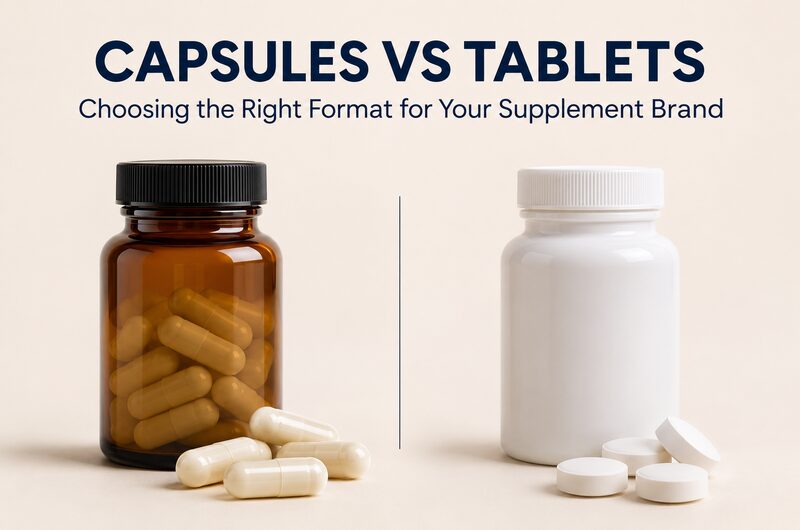
Hard capsules are often a sensible choice for botanical extracts, vitamins, minerals, probiotics, and multi-ingredient blends. They are compact, familiar, and efficient for many formulations. Brands looking at this route can review YKNatura’s private label capsule manufacturing options.
Gummies can be highly approachable, especially for lifestyle-oriented categories, but the formula must account for taste, texture, sugar system, stability, and the amount of active ingredients that can fit into each serving. For a current example of a retail-ready format, see our private label probiotic gummies.
Powders work especially well when a meaningful serving size is required, while liquids can create a convenient premium experience but need careful work around flavor, stability, preservation, filling, and transport. No format is automatically better. The best format is the one that lets the product deliver a clear customer experience without forcing the formula beyond practical limits.
3 Build a Formula That Can Be Made Repeatedly
This is where many first-time projects become more specific. A good formula has to work in the selected delivery format, meet the brand’s commercial goals, and remain consistent when it moves from a bench sample to full production.
The discussion should cover ingredient form and dosage, compatibility, serving size, taste or odor where relevant, capsule fill weight or tablet size, label declarations, and cost. A powder can usually carry a larger amount of active material than a two-capsule serving. A gummy formula has different limits again. These are manufacturing realities, not reasons to compromise the concept; they are the details that make the concept viable.
If you have a market reference, use it. A label photo, a sample, or a short list of “must-have” and “nice-to-have” ingredients often gives a development team a useful starting point. It is also important to leave room for a manufacturer to recommend alternatives when a particular ingredient, dosage, or format creates an avoidable production issue.
4 Use Samples to Make Decisions Before You Buy Inventory
Sampling is the moment when a product moves from a specification on a screen to something your brand can inspect. Do not treat it as a formality.
For capsules, the review may include capsule size, color, fill consistency, odor, and bottle presentation. For powders and liquids, flavor, mixability, color, sediment, and mouthfeel matter. For gummies, taste and texture are only part of the decision; active loading and shelf stability also need to be discussed.
The sample stage is also the right time to check every customer-facing choice: bottle size, cap, label dimensions, pouch feel, carton layout, and the overall shelf impression. An approved sample creates a shared reference point for the brand and manufacturer before mass production begins.

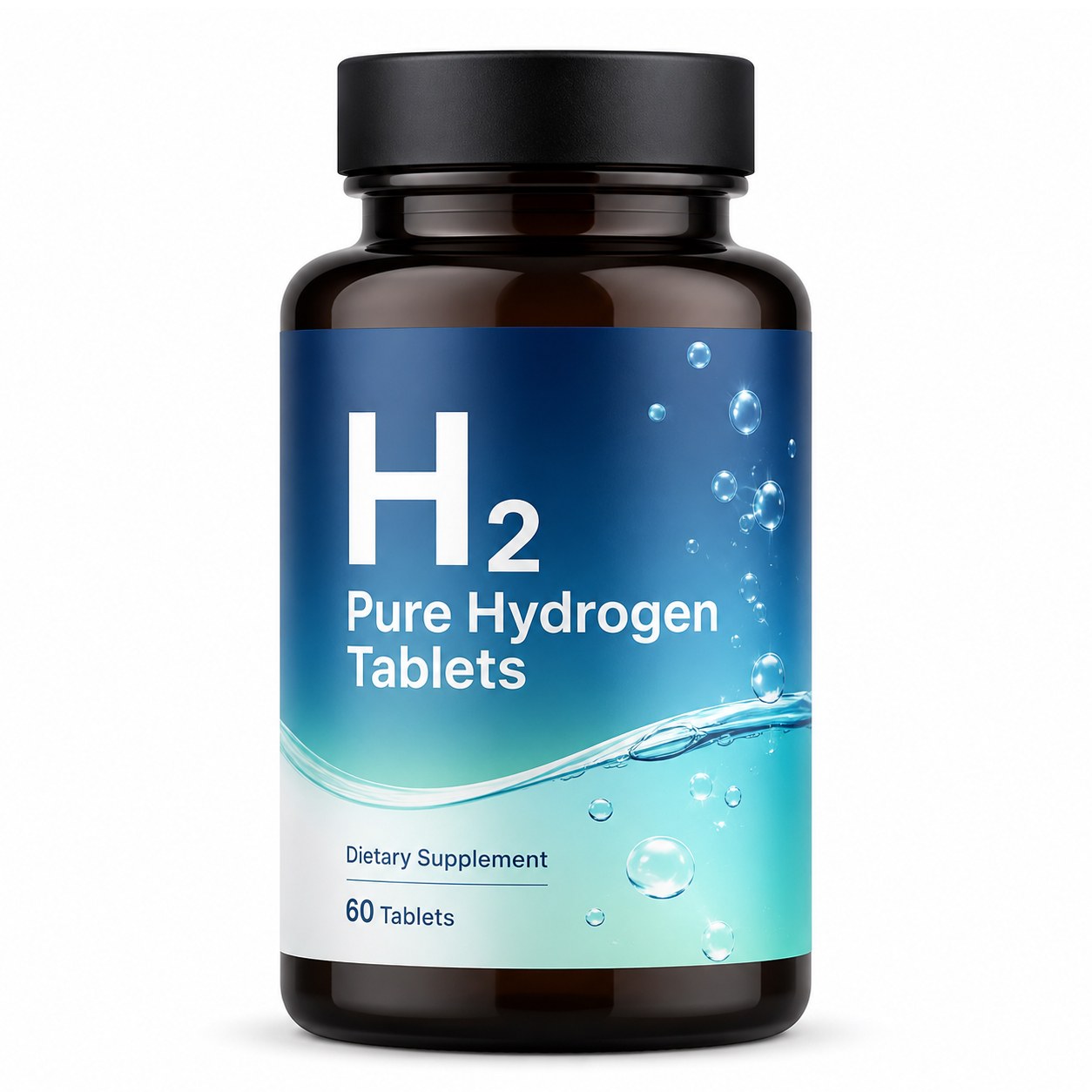
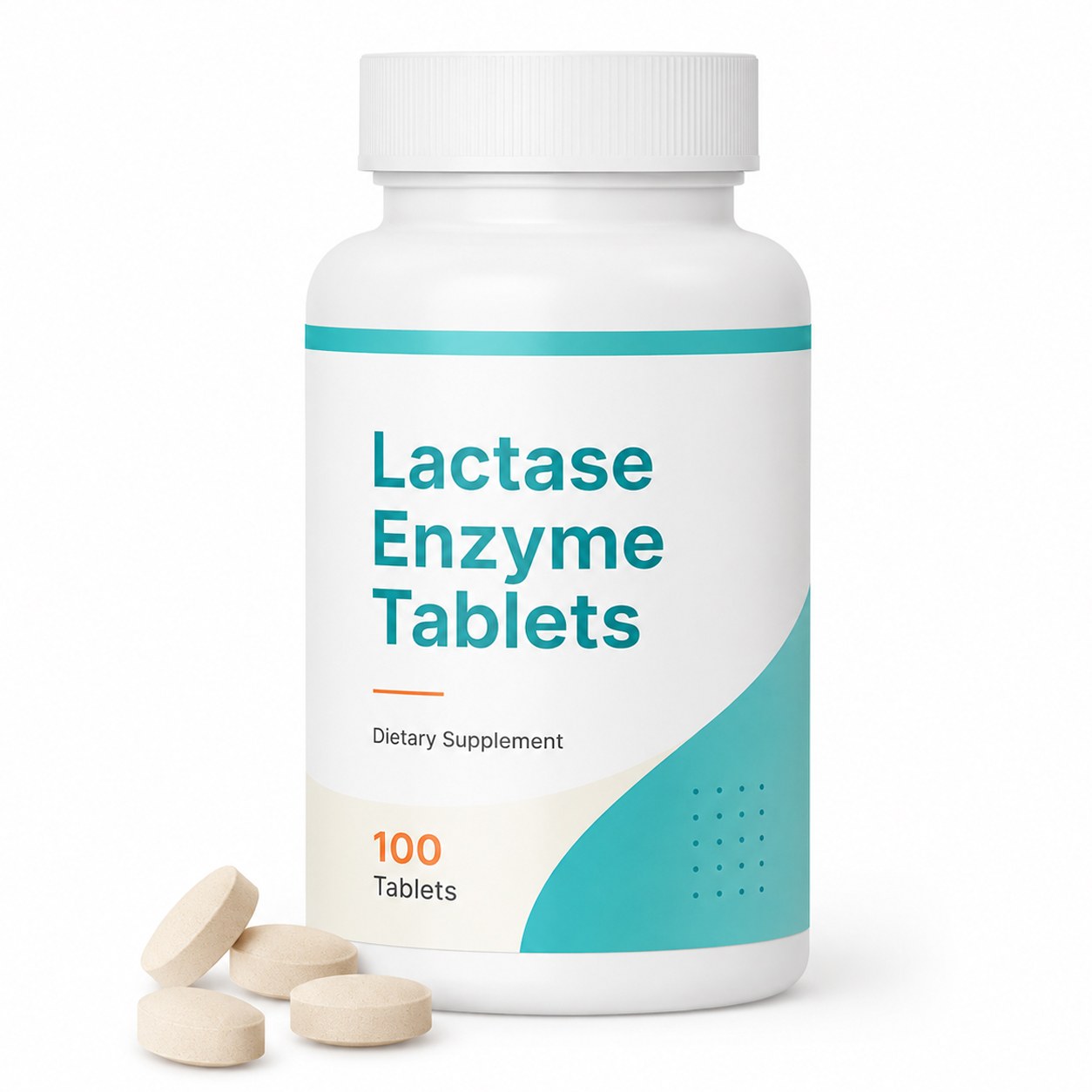
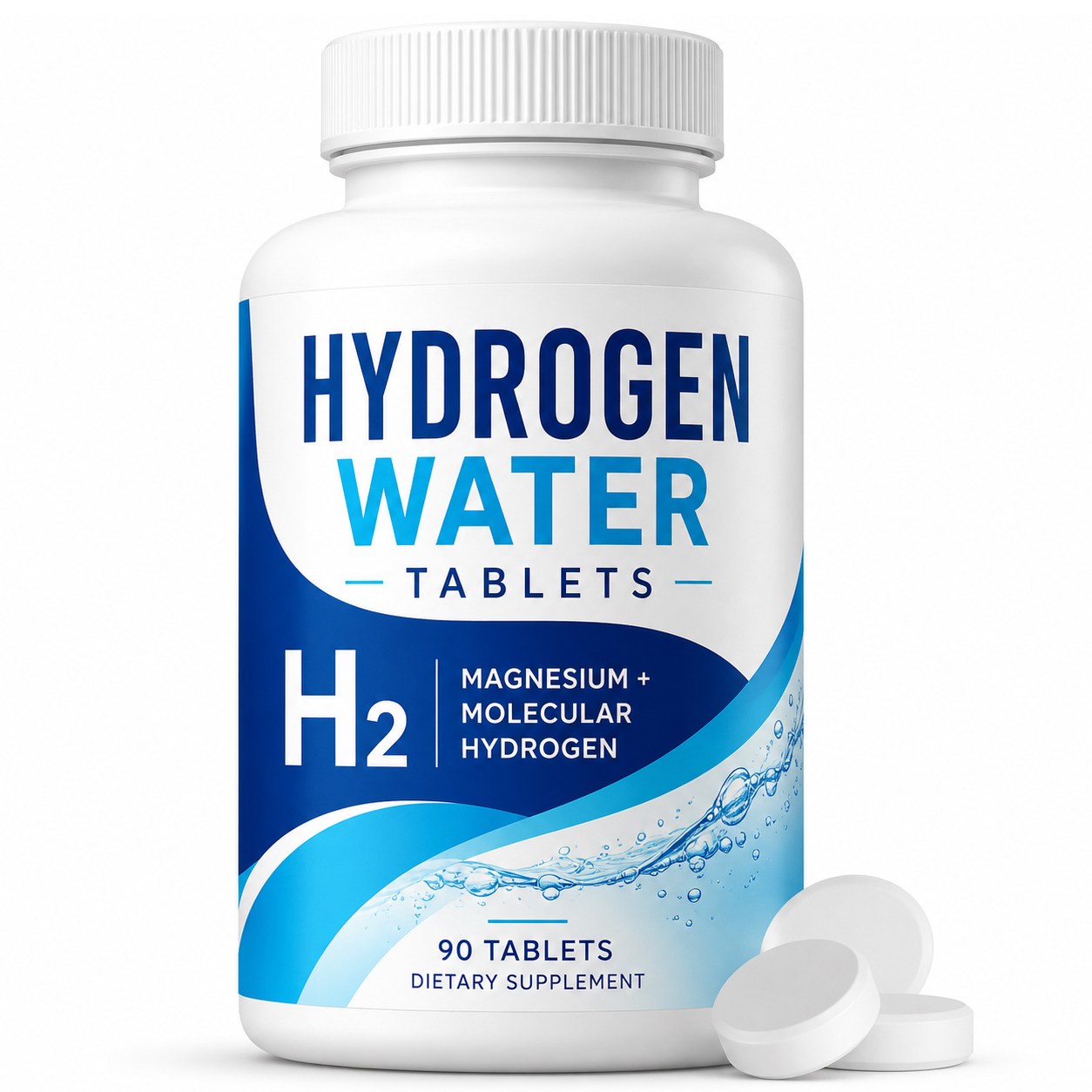
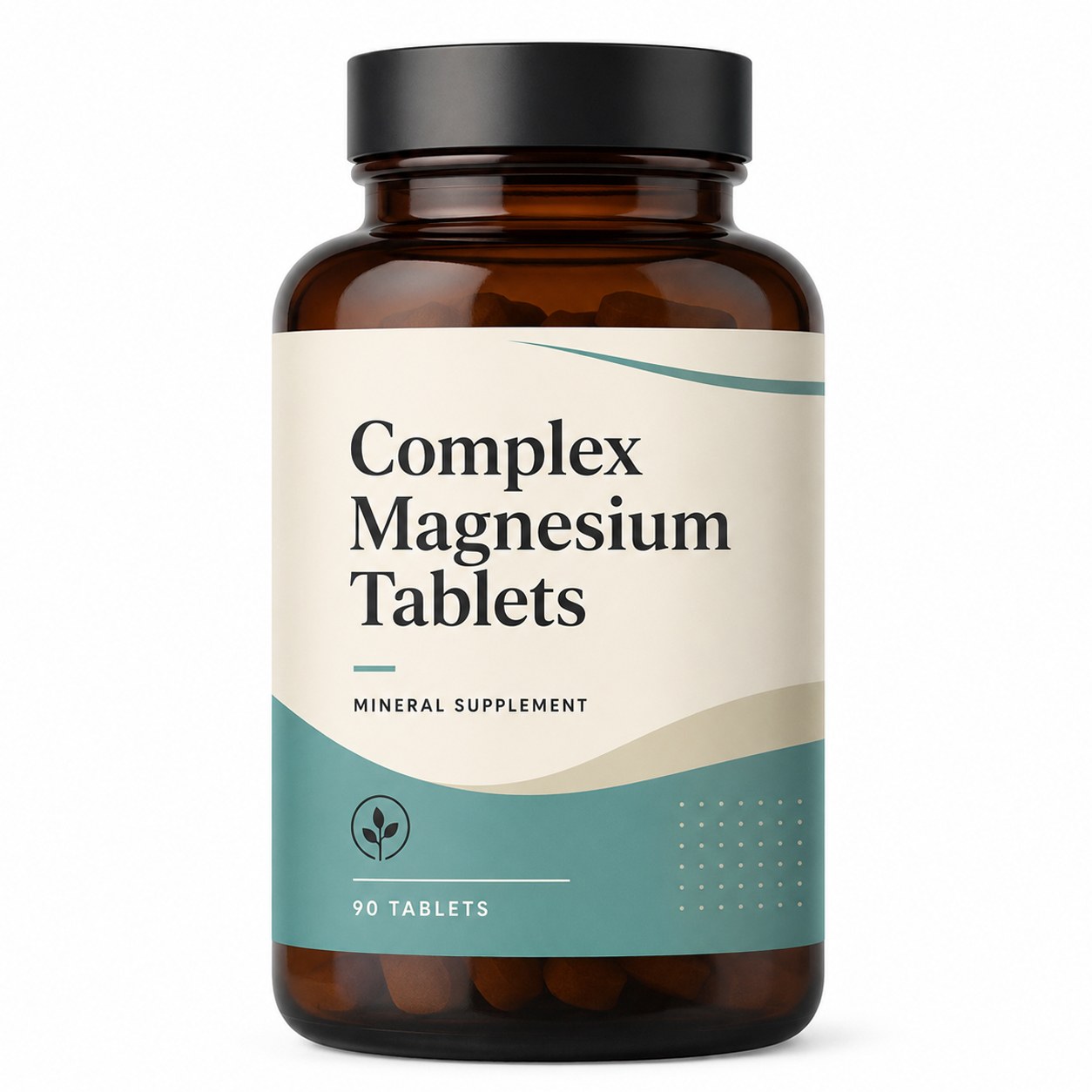
5 Treat Packaging as Part of the Product
Packaging affects more than first impressions. It protects the product, determines how it travels, influences warehouse and fulfillment costs, and shapes how customers use it at home.
A complete packaging discussion may include bottle type, bottle color, cap, induction seal, desiccant, pouch material, stick-pack dimensions, label stock, outer carton, and master-carton configuration. It should also include practical questions: Does the label fit the final bottle? Does the carton allow space for all required information? Is the product protected during long-distance shipping?
For brands planning an e-commerce launch, a lighter and more durable package may be more useful than an elaborate presentation box. For a retail-led launch, the carton and shelf appearance may carry more weight. It is worth deciding that trade-off early, because custom components can affect both minimum order quantity and timing.
6 Confirm the Label Before Production
An attractive label is not enough. It must also present the product information clearly and be appropriate for the market where the product will be sold. The final review should cover the product name, ingredient panel, net content, suggested use, allergen information where applicable, storage instructions, warnings, and the space reserved for the batch and expiry information.
For exports, local rules matter. A label suitable for one market may need changes before it is used in another. Manufacturers can provide product information and manufacturing documents, but the brand should arrange a final market-specific compliance review for claims and labeling language. This is especially important when the product will be sold across several countries.
7 Plan the Production Timeline Like a Supply Project
The production clock does not start when you first ask for a price. It starts when the formula, packaging components, label artwork, and order details are confirmed. That distinction saves many launch plans from becoming unrealistic.
At YKNatura, standard samples typically take 7–10 days. After formula and packaging confirmation, standard mass production is generally planned for about 15–20 days. Custom bottles, specialty cartons, complex formulas, or materials with longer sourcing cycles can add time. A responsible launch plan should leave room for review and approval, not only manufacturing.
Before production, make sure one approved version of each item is shared by everyone involved: formula, Supplement Facts or ingredient panel, label artwork, bottle or pouch specification, carton artwork, packing method, and shipping requirement.
8 Choose a Manufacturer You Can Work With After the First Order
The lowest quotation does not always represent the lowest overall cost. A lower unit price can be quickly offset by unclear specifications, late packaging decisions, unexpected minimums, poor communication, or a product that does not match the approved sample.
When comparing manufacturers, ask direct questions about capabilities, MOQ, sample process, lead time, quality procedures, export documents, packaging support, and who will manage the project. Ask whether the quote is based on the same assumptions you gave every supplier. Comparing two prices only makes sense when the formula, quantity, packaging, and responsibilities are actually comparable.
YKNatura supports private label, OEM, and ODM projects for hard capsules, softgels, gummies, tablets, effervescent tablets, powders, liquid drops, and liquid drinks. Learn more about our supplement manufacturing services and product formats.
A Practical Launch Checklist
| Before requesting a quote | Before approving production |
| Define the target customer and sales market | Approve the sample and final product specification |
| Choose a product format that fits the concept | Confirm formula, serving size, and bottle or pouch count |
| Prepare a core ingredient list or reference product | Approve label artwork and packaging components |
| Set an expected order quantity and launch window | Confirm production lead time and shipping plan |
| Decide whether you need private label, formula customization, or custom development | Keep signed-off files and approval records in one shared folder |
About YKNatura
YKNatura is the supplement manufacturing brand of Yukang Medicine Guangzhou Co Ltd. Based in Guangzhou, China, we support global brands with private label, OEM, and ODM supplement manufacturing. Our services cover formula development, sample preparation, ingredient sourcing, custom packaging, and finished-product production across multiple dosage forms.
If you have a formula, a reference product, a packaging concept, or simply an early-stage idea, our team can help evaluate the practical next step. Contact YKNatura to discuss your project.
Frequently Asked Questions
How much does it cost to launch a supplement brand?
The cost depends on the formula, product format, ingredient dosage, packaging, order quantity, and destination market. A capsule product using standard packaging has a different cost structure from a custom gummy, powder, or liquid project. A detailed product brief is the best starting point for an accurate quotation.
What is the MOQ for private label supplements?
MOQ depends on the product, formula, and packaging. For many standard YKNatura private label projects, the starting MOQ is 1,000 units. Specialized ingredients and custom packaging may require a different minimum.
How long does it take to make supplement samples?
Standard sample development typically takes 7–10 days. The exact timeline depends on the product format, ingredient availability, flavor work, and packaging requirements.
How long does mass production take?
After the formula, packaging, and artwork are confirmed, standard mass production is generally planned for about 15–20 days. Custom packaging and complex projects may take longer.
Can I start if I only have a product idea?
Yes. A clear category, target customer, intended market, preferred format, and reference product are enough to start a practical conversation. The manufacturer can then help identify what needs to be decided before sampling and production.
Can I use my own packaging and label design?
Yes. Brands may supply approved artwork and packaging files, or request support with bottle, pouch, label, carton, and retail-packaging selection. All components should be finalized before production is scheduled.
Yukang Medicine Content & Manufacturing Team
Latest Supplement Manufacturing Insights
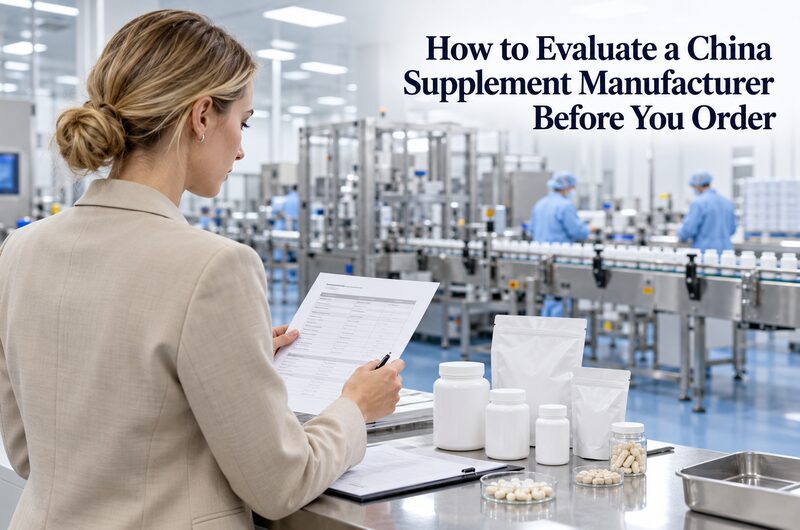
How to Evaluate a China Supplement Manufacturer Before You Order
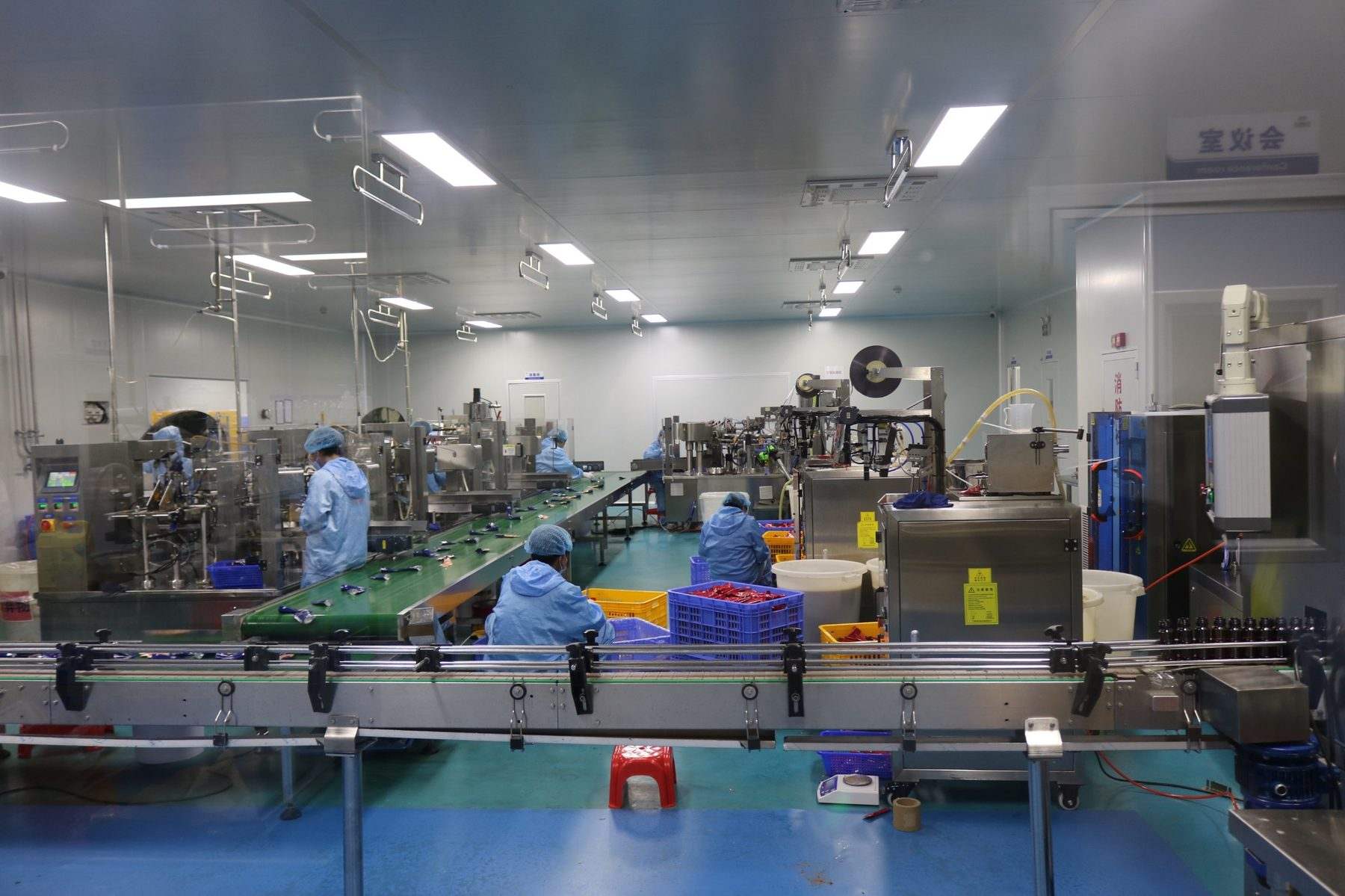
Capsules Gummies Powders and Softgels Guide for Supplement Brands