Private Label vs. Custom Contract Manufacturing: Which Is Right for Your Supplement Brand?
-
 admin
admin - 25th August 2026
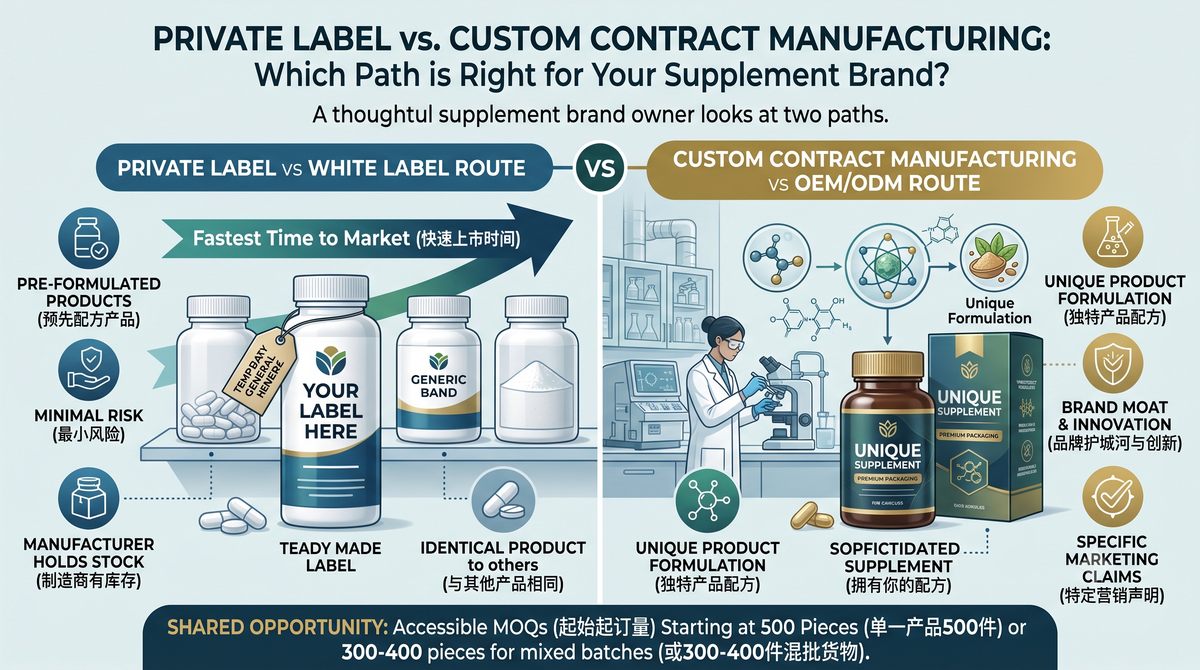
Private label and custom manufacturing both help supplement brands launch products, but they serve different business goals, timelines, and budgets.
Two Common Ways to Launch Supplement Products
When building a supplement brand, one of the first decisions is whether to choose a private label product or develop a custom formula through contract manufacturing. Both models can be effective, but the right choice depends on your brand stage, target market, budget, and differentiation strategy.
Private label is usually faster and simpler. Custom manufacturing offers more control and stronger brand uniqueness.
What Is Private Label Manufacturing?
Private label manufacturing uses ready-developed formulas that can be produced and packaged under your brand name. This model is suitable for companies that want to enter the market quickly, test product demand, or expand a catalog without a long development cycle.
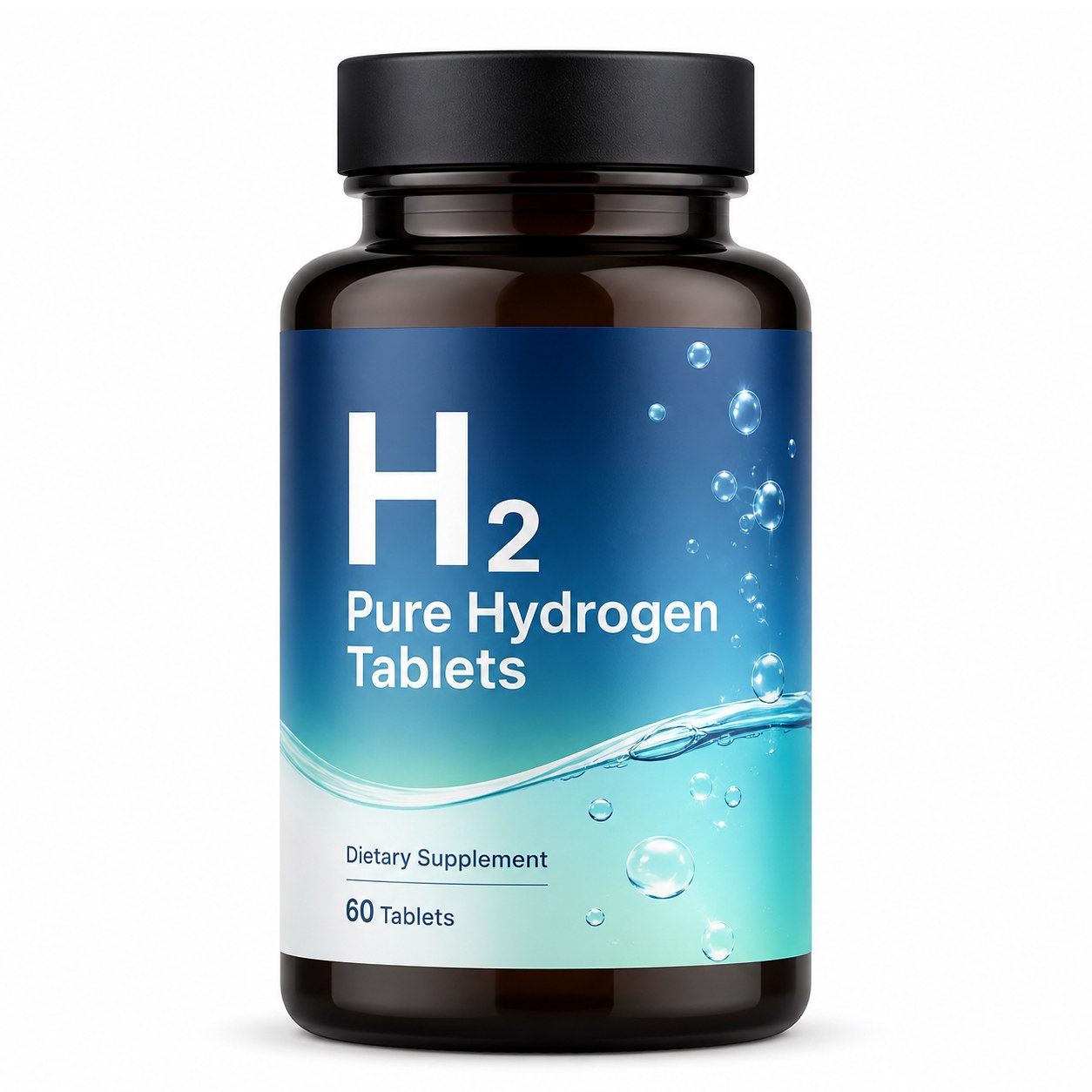
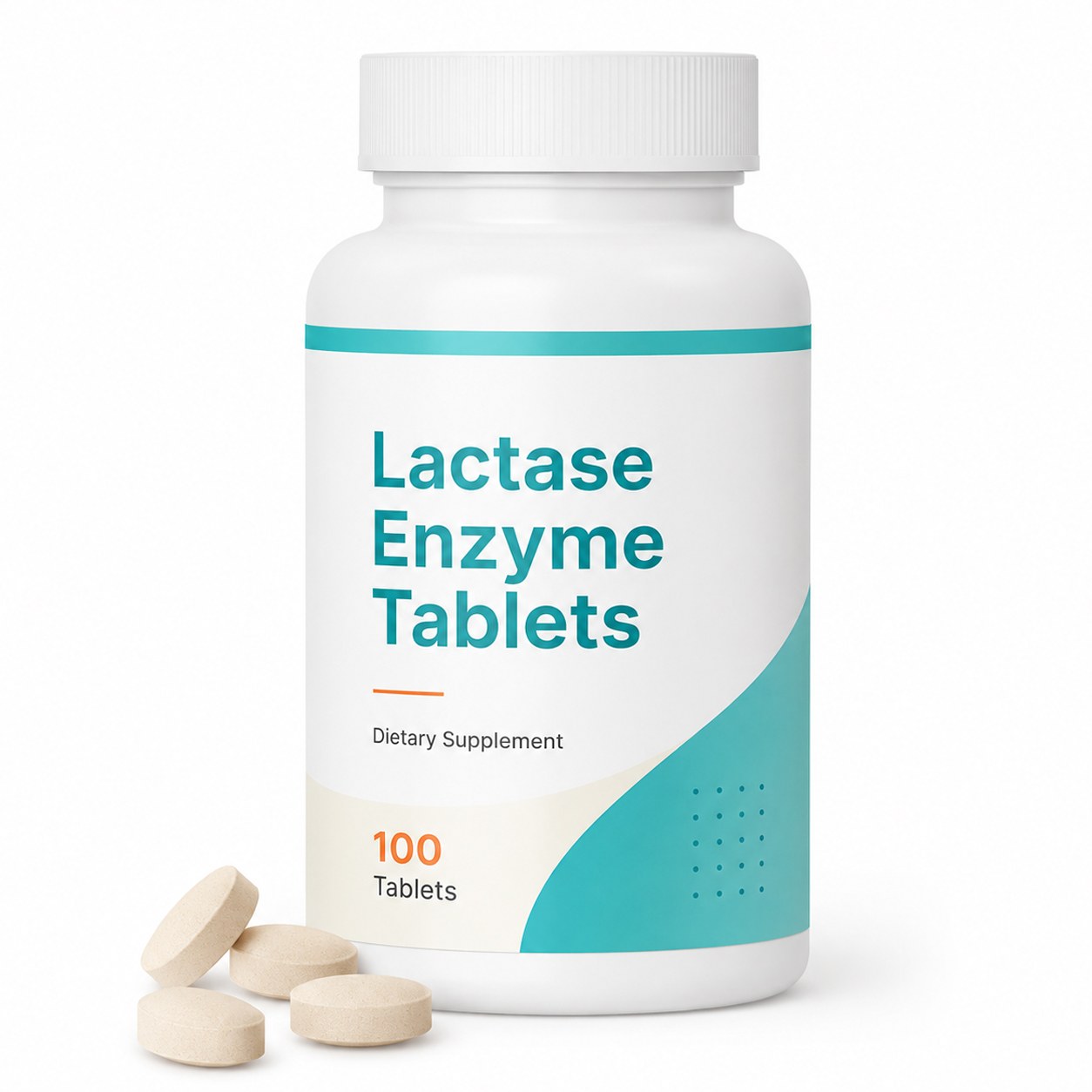
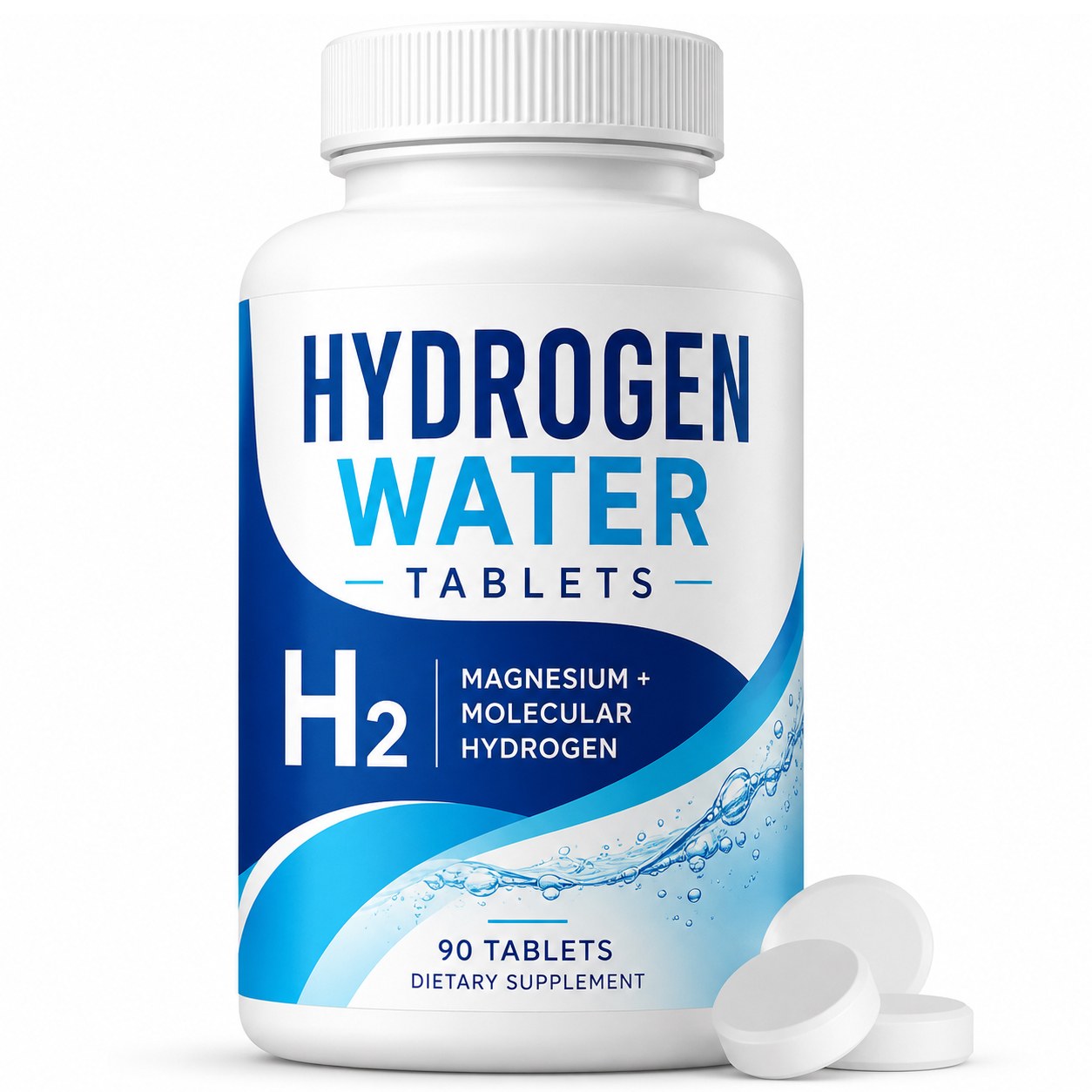
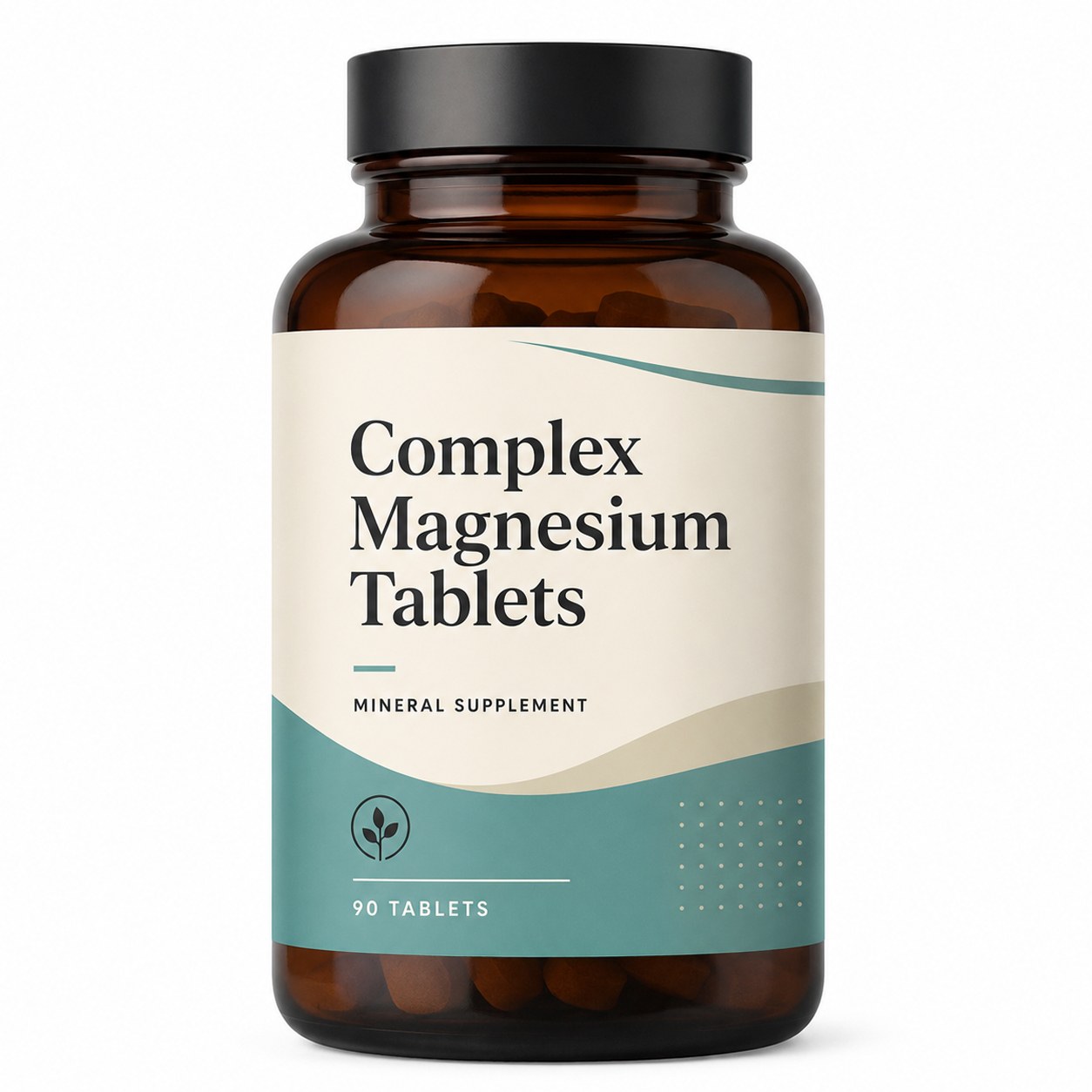
Typical private label products include gummies, capsules, tablets, powders, drops, and oral liquids. Brands can often customize packaging, labels, flavor options, and order quantities while keeping the formula structure relatively standard.
What Is Custom Contract Manufacturing?
Custom contract manufacturing is built around a formula designed for your brand. It may involve specific active ingredients, dosage levels, flavor systems, delivery formats, packaging choices, and testing requirements.
This model is ideal for brands that want a clear competitive advantage, a unique product story, or a formula designed for a specific consumer need such as sleep, beauty, sports nutrition, gut health, immune support, or healthy aging.
How to Choose the Right Model
Choose private label if speed, lower development cost, and market testing are your priorities. Choose custom manufacturing if differentiation, unique formulation, and long-term brand positioning are more important.
Many brands start with private label products to validate demand, then move into custom formulas as they gain more customer data and market confidence.
Working With the Right OEM/ODM Partner
Whether you choose private label or custom manufacturing, your factory partner should provide reliable production, clear communication, packaging support, documentation, quality control, and delivery planning.
A flexible manufacturer can help you move from idea to sample, from sample to production, and from first order to long-term product line expansion.
admin
Recent Posts
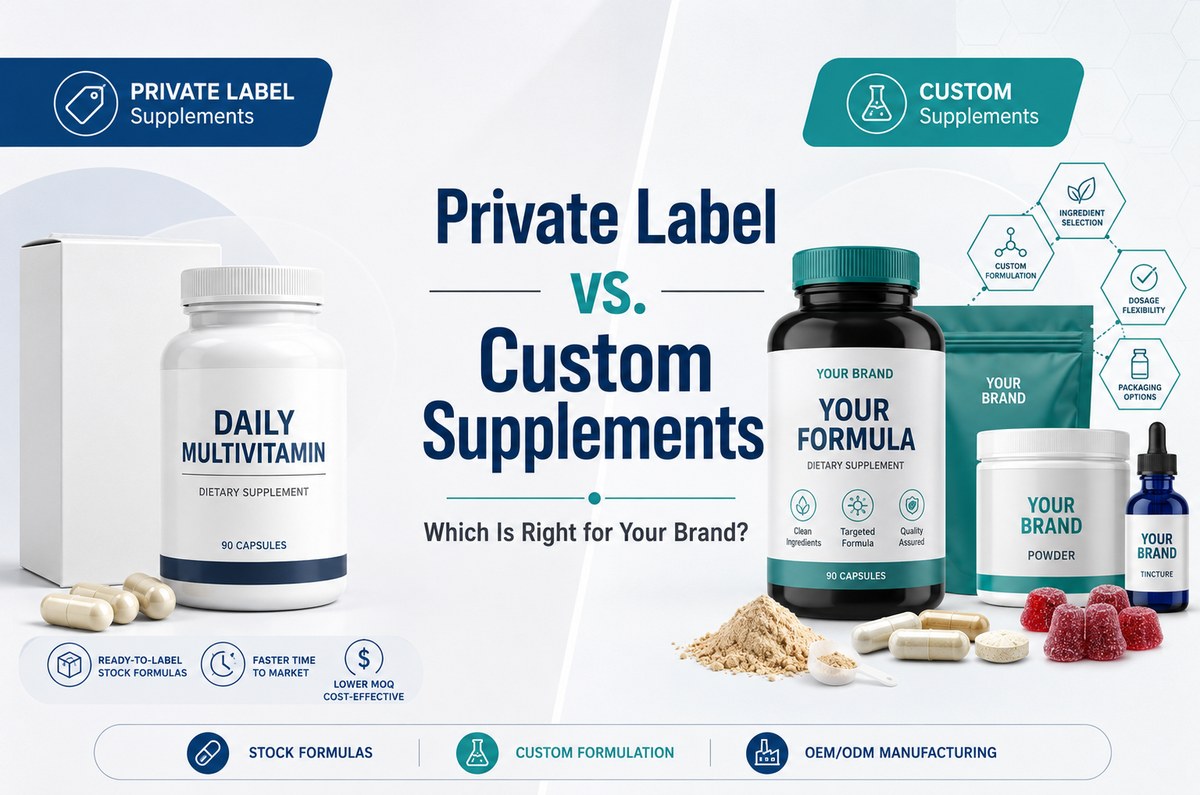
Private Label vs. Custom Supplements: Which Is Right for Your Brand?
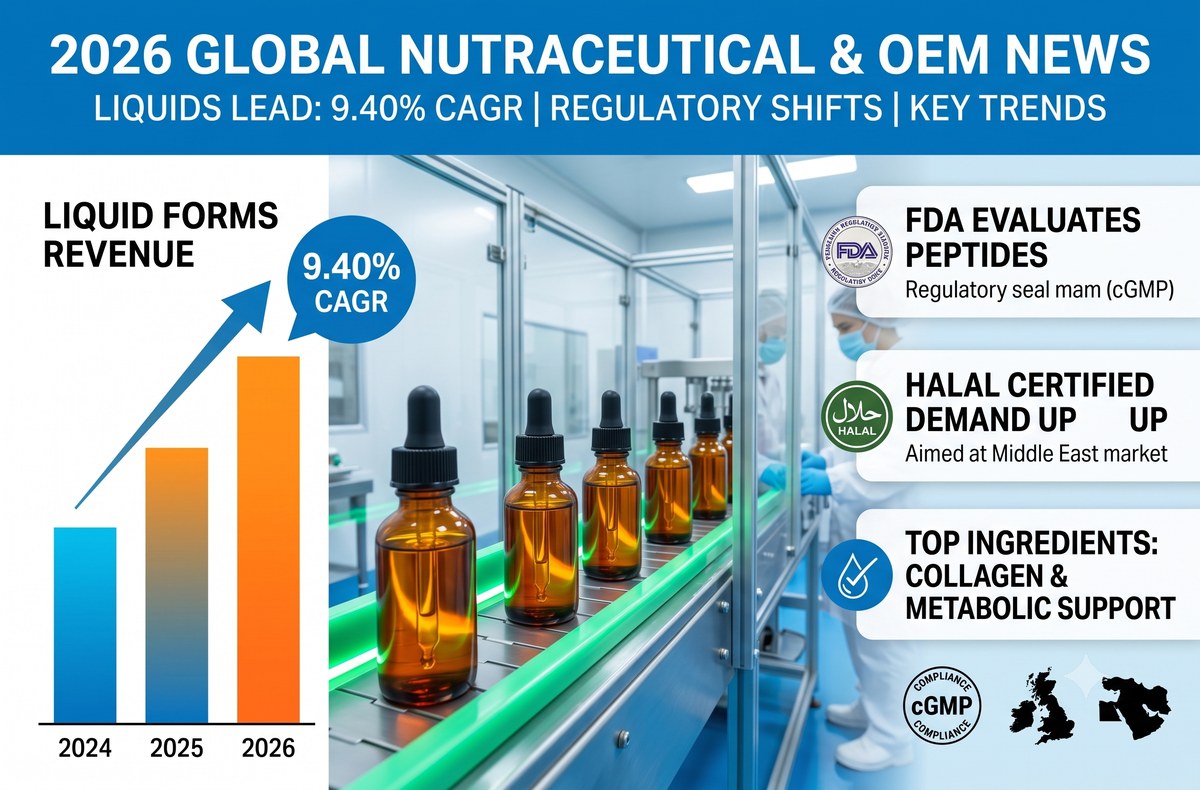
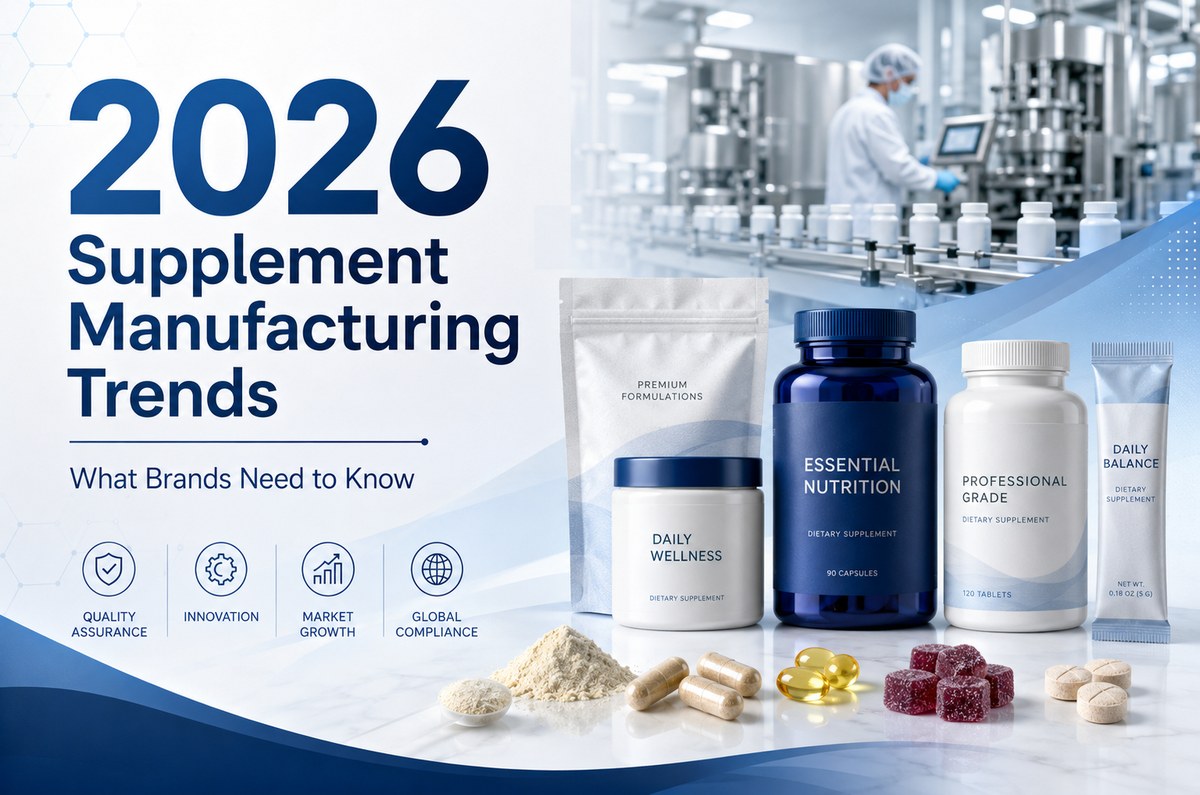
2026 Supplement Manufacturing Trends: What Brands Need to Know