Private Label Capsules and Tablets: MOQ, Samples, Packaging and Lead Time Explained
-
 Yukang Medicine Content & Manufacturing Team
- 4th November 2026
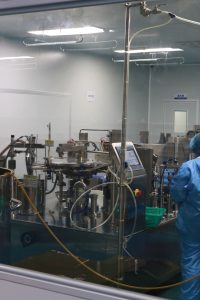
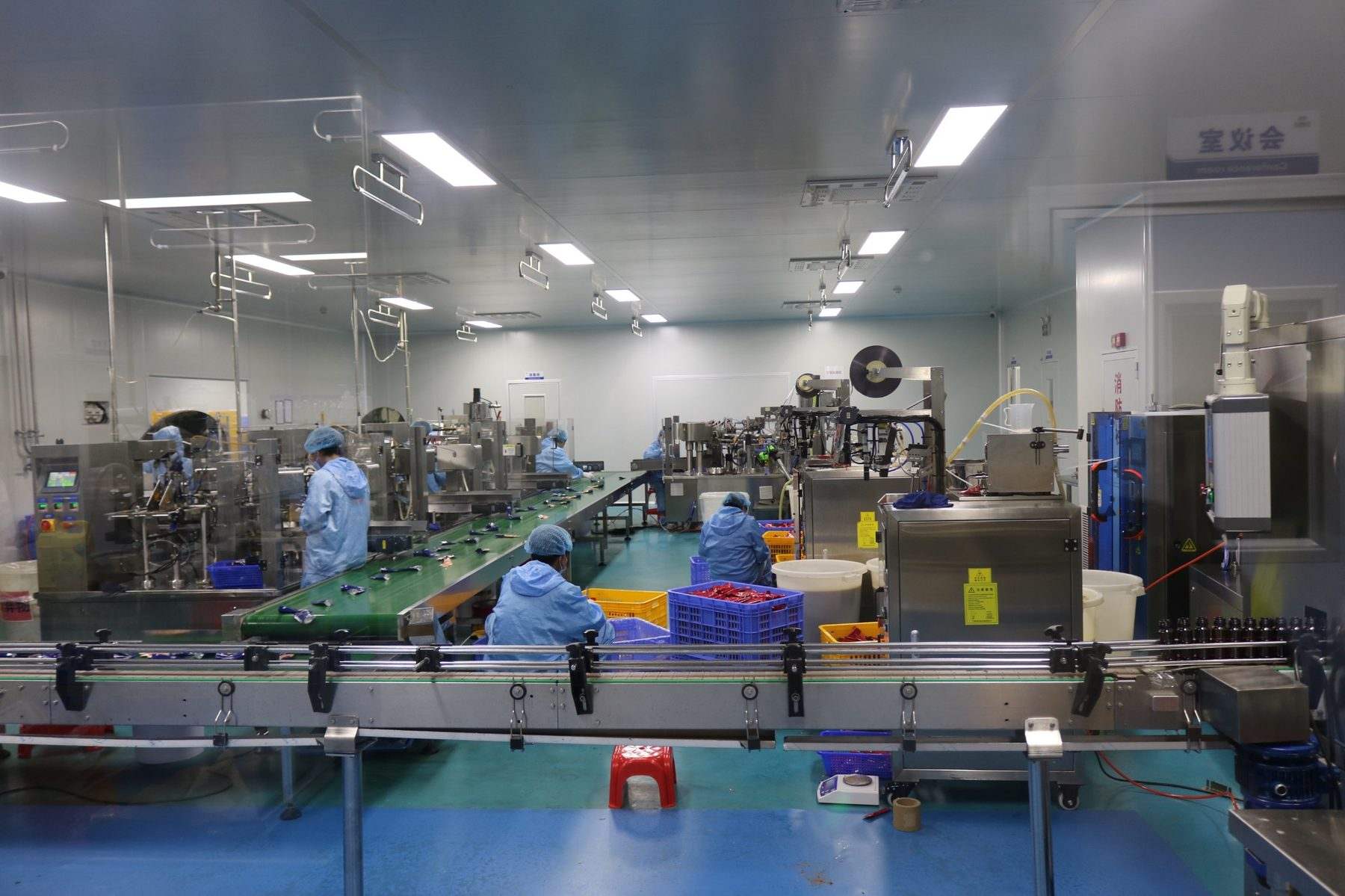
Original factory photo: solid-dose production equipment used during manufacturing preparation.
A quick answer for buyers
Capsules and tablets are both familiar supplement formats, but they do not ask the factory to do the same job. Capsules are often a practical fit for powdered blends and botanical ingredients. Tablets can work well when the formula can be compressed into a stable size and shape. The right answer depends on the dose you need, the number of units a customer will take, the packaging plan, and what can be made consistently.
For a brand preparing its first private-label order, that choice also affects the quote, minimum order quantity, sample plan, and timeline. This guide explains those decisions in plain language, so you can prepare a better brief before you contact a manufacturer.
YKNatura supports private label hard capsules, tablets, gummies, powders, liquids, and other formats for brands and distributors. The aim is not to push every idea into one format. It is to find a format that fits the formula and the commercial plan.
Capsules vs tablets at a glance
Start with the ingredient amount, not with the bottle shape. A capsule has a shell that holds powder. A tablet is a compressed blend. That difference matters when you ask whether a product can carry the target serving in one piece, how it will look in the bottle, and what preparation is needed before a production run.
- Capsules can be useful for powdered blends, botanical extracts, vitamins, minerals, probiotics, and combinations of several ingredients.
- Tablets can be a good fit when the ingredients can be pressed into a stable tablet and the brand wants a swallow tablet, coated tablet, or chewable format.
- A larger daily serving may require two or more capsules, or it may make a powder or another format more practical.
- A tablet is not automatically cheaper than a capsule. Formula complexity, coating, tablet size, packaging, and order quantity all affect the final cost.
Use this quick comparison to frame the first conversation with a manufacturer. It is a planning tool, not a formula approval.
| Buyer question | Capsules | Tablets |
| What does the format do? | A shell holds a powdered blend. | A blended powder is pressed into a solid unit. |
| Best early check | Can the powder fit within the preferred capsule size and serving? | Can the blend be pressed into a stable tablet without changing the product concept? |
| Serving impact | A higher dose may need more than one capsule. | Dose, tablet size, and coating need to work together. |
| Customization choices | Shell type, vegetarian option, color, bottle count. | Shape, coating, color, chewable or swallow format, bottle count. |
| What to send for review | Ingredient list, amount per serving, units per day, packaging idea. | Ingredient list, amount per serving, desired tablet style, packaging idea. |

Original factory photo: a production workstation during supplement manufacturing preparation.
Why the formula comes before the bottle
A label can make a product idea look simple. Manufacturing is where the practical questions start. Some powdered ingredients take up a lot of space. Some do not flow well through equipment. Some are sensitive to moisture. A tablet blend also needs to hold together after it is pressed. Those details affect the size of the finished capsule or tablet and the number of units in a daily serving.
That is why a reliable manufacturer reviews the formula before a brand orders custom bottles or finishes the label. The review is not meant to complicate the project. It helps avoid a late surprise, such as finding out that the intended dose will not fit into one capsule or that a blend needs changes before it can become a tablet.
For example, a higher-dose capsule concept may need more than one capsule per serving. The HMB Capsules 3000 mg page shows one format example. A botanical project can follow a different route, as shown by these Milk Thistle Extract Capsules. These examples are not fixed specifications; each formula needs its own review.
When capsules are usually the easier conversation
Capsules are often a straightforward starting point when the product is a dry powder blend. Brands can discuss shell type, capsule size, color, bottle count, and label direction without assuming that every product will need the same setup. Vegetarian capsule options can also be discussed when they match the formula and market requirements.
The key point is serving size. A small amount of powder may fit into one capsule. A higher dose may need two or three. That changes the bottle count, label serving information, and how the customer will use the product. It is better to settle that early than to revise the packaging after design work has begun.
When a tablet can make more sense
A tablet can be a good choice when the formula can be compressed well and the brand wants a compact, familiar format. Tablet projects can be discussed as standard swallow tablets, film-coated tablets, or chewable tablets. Color, shape, score lines, and coating can all be part of the product idea, but the formula needs to come first.
Not every blend that works in a capsule can become a tablet without changes. Some ingredients are too bulky, too light, or difficult to press. A formula review helps determine whether the tablet size will be reasonable and whether the product can be produced consistently.
For a tablet-format example, visit private-label Ashwagandha tablets. You can also read our custom tablet manufacturing guide for a simple look at the steps between a concept and a finished tablet.

Original factory photo: a packaging work area prepared for finished-product handling.
What really affects MOQ
MOQ means the smallest order quantity a project can reasonably start with. It is not one fixed number for every capsule or tablet. The formula, ingredient sourcing, packaging, and level of customization all matter.
- Formula route. A ready-to-brand formula usually has fewer development steps than a fully custom formula.
- Common materials and special-order ingredients can have different purchase requirements.
- Serving plan. One unit per day and three units per day create different filling, tablet-size, and bottle-count needs.
- Bottles, caps, seals, labels, cartons, blisters, and pouches each have their own material requirements.
- Target market. Market-specific label language and documentation should be discussed before printing starts.
At YKNatura, many standard projects start from 1,000 units once the formula and packaging are confirmed. That is a planning reference, not a substitute for a project quote. The best way to confirm MOQ is to share the product format, formula direction, packaging idea, target market, and estimated quantity.
If you are deciding between a ready-to-brand product and a custom route, our guide to private label vs custom contract manufacturing explains the trade-off in plain language.
What a sample should help you confirm
A sample is useful because it turns a written concept into something you can review. It can help you discuss the product format, capsule or tablet appearance, serving plan, and packaging direction. It should not be treated as the last step before production. The full project also needs approved specifications, packaging components, artwork, and order details.
For suitable projects, samples are generally planned in about 7–10 days after the requirements are clear. The actual timing depends on the formula, material availability, and feedback process. A good sample discussion should answer the next practical questions rather than simply confirm that the product “looks good.”

Original factory photo: finished supplement units staged for the next handling step.
Packaging decisions that can change the timeline
Packaging is not something to leave until the very end. The bottle or blister, cap, seal, label size, carton, and final pack count all affect materials and scheduling. A label might fit a standard bottle but not a custom one. A carton can improve shelf presentation but may need additional preparation. These are normal decisions, but they work best when they are made before materials are ordered.
Before approving artwork, confirm the count per bottle or blister, the chosen container dimensions, any tamper-evident feature, required label information for the target market, and whether a carton or insert is needed. If the same product will be sold in more than one market, raise that point before printing starts.
How long does a private-label capsule or tablet project take
A useful timeline starts after the important decisions are ready to move. As a general planning reference, standard production is often around 15 days after the formula, artwork, packaging, and materials are approved and ready. Special packaging or additional sourcing can extend the timeline. The confirmed schedule should always come from the approved project brief, not from a generic promise.
The sequence is usually straightforward: share the brief, review feasibility, discuss a sample, finalize the formula and artwork, prepare materials, schedule production, and pack the finished order. In first orders, delays most often come from small decisions left open too long—such as serving size, bottle choice, or label copy—not from one major event.
A simple project tracker keeps the quote and production discussion focused on the decisions that move the schedule.
| Project stage | Information to confirm | Planning reference |
| Brief review | Formula or reference product, target serving, format, target market. | Start here. Questions at this stage prevent avoidable revisions later. |
| Sample discussion | Formula direction, capsule or tablet appearance, packaging direction. | For suitable projects, samples are commonly planned in about 7 to 10 days after requirements are clear. |
| Artwork and materials | Final label text, container, count per pack, cap, seal, carton or pouch. | Confirm before material purchasing and production scheduling. |
| Production and packing | Approved formula, artwork, packaging, quantity, shipping readiness. | Standard production is often planned around 15 days after core details are confirmed; project conditions can change timing. |
What to send before asking for a quote
You do not need to have every detail finished before contacting a manufacturer. You do need to be clear about what is known and what still needs discussion. A useful quote request usually includes:
Copy this buyer brief into your inquiry. Fill in what you know and mark anything that still needs a factory recommendation.
| Project field | Your information |
| Formula or reference product | ____________________________________________ |
| Target amount per serving and units per day | ____________________________________________ |
| Preferred format | ☐ Capsules ☐ Tablets ☐ Please compare both |
| Shell, coating, vegetarian, color, or flavor preferences | ____________________________________________ |
| Packaging direction | ☐ Bottle ☐ Blister ☐ Pouch ☐ Carton ☐ Need advice |
| Target market and label language | ____________________________________________ |
| Estimated first order quantity | ____________________________________________ |
| Other requirements or launch timing | ____________________________________________ |
Some concepts should not be forced into a capsule or tablet. A high-volume serving can be more practical as a powder. An oil-based product may suit a softgel or liquid. A product built around flavor and chewing may fit a gummy or chewable tablet better. You can explore YKNatura’s broader supplement product formats before locking the direction.
Questions buyers often ask
Can the same formula be made as both capsules and tablets? Sometimes, but the two formats need separate review. A blend that fills well into capsules may not press into a stable tablet without changes.
Are vegetarian capsules available? Vegetarian capsule options can be discussed based on the formula, target market, and project requirements.
Are tablets always less expensive than capsules? No. Cost depends on the formula, dose, tablet size, coating, capsule shell, packaging, and order quantity.
Can I request samples before a bulk order? Sample development can be discussed once the formula and key requirements are clear enough for a practical review.
What should I send before requesting a quote? Send what you have: a formula, ingredient list, product sample, serving target, packaging idea, target market, and estimated quantity.
About YKNatura
YKNatura is the dietary supplement manufacturing brand of Yukang Medicine (Guangzhou) Co., Ltd. We support OEM/ODM and private-label projects from early product discussion through samples, packaging, and bulk production. Learn more about our manufacturing services and company background.
If you are preparing a capsule or tablet project, send your format, target market, estimated quantity, and packaging direction. Our team can help review the practical next step before sampling.
Start here: Request a Quote | Email: marketing@collagenyoung.com | WhatsApp: https://wa.me/8618820073654
Yukang Medicine Content & Manufacturing Team
Latest Supplement Manufacturing Insights
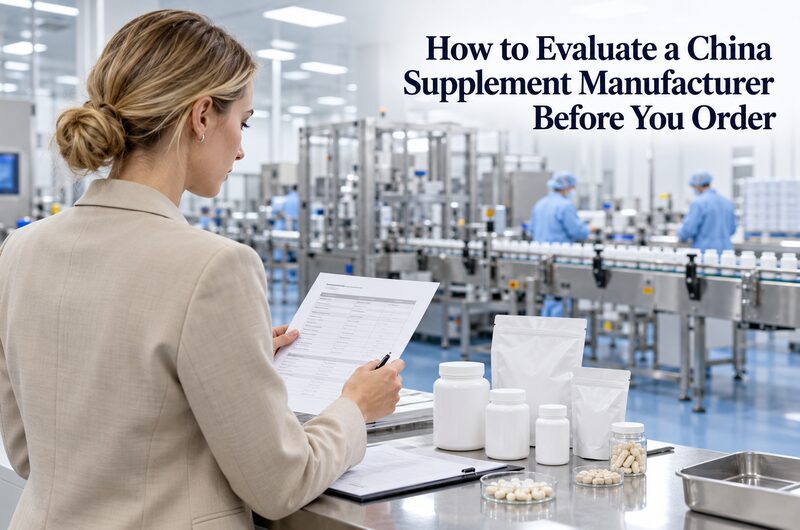
How to Evaluate a China Supplement Manufacturer Before You Order
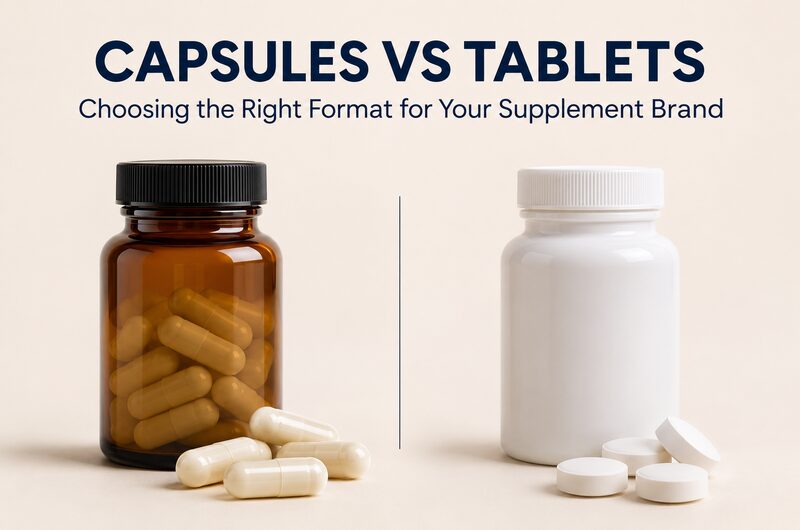
Capsules Gummies Powders and Softgels Guide for Supplement Brands