Private Label Liquid Supplement Manufacturing | YKNatura
-
 Yukang Medicine Content & Manufacturing Team
- 8th October 2026

Private Label Liquid Supplement Manufacturing — Buyer’s Guide
Publish-ready English article • SEO + GEO + E-E-A-T structure • Internal links included
Updated: October 2026 | Audience: supplement brands, distributors, e-commerce sellers, importers and product developers
Private Label Liquid Supplement Manufacturing: A Buyer’s Guide to Formulation, Filling, Packaging & Quality
For supplement brands evaluating drops, tincture-style liquids and other measured liquid formats
Quick Answer: What Does a Private Label Liquid Supplement Manufacturer Do?
A private label liquid supplement manufacturer helps brands move from product concept to a finished liquid supplement sold under the buyer’s own brand. A complete project can include formula review, sample development, liquid mixing and supplement filling, dropper-bottle selection, custom labels, retail cartons, testing documentation, batch records and finished-product delivery. For buyers, the best manufacturer is not simply the one with the lowest quote; it is the one that can explain how formulation, filling, packaging and compliance fit together before bulk production starts.
| Buyer takeaway Treat the formula and the packaging as one system. Ingredient properties, viscosity, pH, oxidation risk, dropper performance, bottle material, seal and label compatibility can all affect the finished product. |
This guide is written for B2B buyers comparing private label liquid supplements, custom formulations and supplement OEM/ODM services. It focuses on the questions that usually determine whether a liquid project is commercially workable: formula design, filling, packaging, quality documentation, MOQ, sample timing and lead time.
Why Liquid Drops Are Different From Capsules or Powders
Liquid supplements give brands considerable room to differentiate a product. Potency, serving size, carrier system, flavor, bottle size, dropper, label and retail packaging can all be adjusted around the target market. That flexibility is useful, but it also creates more variables that have to work together.
A liquid formula that looks fine in a beaker is not automatically ready for production. The finished product still has to fill consistently, remain compatible with the bottle and closure, deliver a practical serving through the dropper, hold its intended appearance and remain aligned with the approved label specification. That is why liquid-product development should be approached as a manufacturing system, not as a single ingredient decision.
1. What Private Label Liquid Supplement Manufacturing Usually Includes
The exact meaning of “private label,” “OEM” and “ODM” varies between suppliers, so buyers should ask what work is actually included rather than relying on the service label alone.
- Formula review and raw-material specification confirmation
- Sample development, including flavor, appearance, viscosity and serving-format review
- Liquid mixing and filling into the selected bottle format
- Dropper, closure, seal and fill-volume confirmation
- Custom supplement labels, cartons and other private label supplement packaging
- Project-specific testing, COA support, lot traceability and packaging inspection
- Final packing, documentation and international B2B shipment coordination
For brands that already have a formula, the project usually begins with manufacturability review. For buyers with only a product idea or a reference sample, a more development-led ODM route may be appropriate. Explore YKNatura’s private label liquid drops and current product formats for examples of how these projects are structured.
2. Which Products Are a Good Fit for Liquid Drops?
Liquid drops can be used for vitamins, selected minerals, botanical extracts and multi-ingredient formulas. Whether a specific ingredient is a good fit depends on solubility, stability, sensory profile, target serving size and packaging compatibility—not just market popularity.
| Product Type | Examples | Main Development Questions |
| Vitamin drops | Vitamin D3, Vitamin B12, Biotin / Vitamin B7 | Oil or water/glycerin system? Potency? Serving size? Oxidation or taste considerations? |
| Mineral drops | Zinc, iron, magnesium projects | Solubility, pH, flavor masking, serving volume and stability |
| Botanical drops | Shilajit, chlorophyll, oregano-oil and other extract projects | Extract specification, sediment, color, odor, microbial/heavy-metal scope and carrier system |
| Combination liquids | Vitamin + mineral or botanical combinations | Ingredient compatibility, stability, serving size, label complexity and packaging |
3. Custom Formulation: Seven Inputs to Clarify Before You Request a Quote
Many slow quotations are not caused by the factory—they are caused by missing project information. A more complete first brief usually produces a more accurate quotation and a more useful sample plan.
- Target active ingredient(s) and amount per serving
- Serving size, such as 1 mL, 2 mL or an approximate drop count
- Bottle size and expected servings per container
- Preferred liquid base: water, glycerin, oil or another compatible system
- Flavor, sweetener, color and preservative preferences, where relevant
- Target market or markets, such as the United States, European Union or Middle East
- Packaging requirements: bottle, dropper, closure, label, carton, seal and shipping format
A buyer with an existing formula should also provide the ingredient form, grade or supplier requirements where applicable. If the formula is only a concept, the manufacturer should be able to explain what still needs to be decided before a commercial sample can be prepared.
4. Water-Based, Glycerin-Based or Oil-Based: Why the Carrier System Matters
The liquid base affects ingredient compatibility, mouthfeel, viscosity, dropper flow, oxidation risk, microbial strategy and packaging. Buyers should ask not only “Can you make this?” but “Why is this carrier system appropriate for this ingredient and serving format?”

Figure 1. Water-, glycerin- and oil-based liquid systems require different formulation and packaging checks.
Water-based systems. Often suitable where ingredients can remain stable in the aqueous phase. Key development questions include pH, ingredient solubility, microbial control, preservative strategy and taste.
Glycerin-based systems. Vegetable glycerin can support mouthfeel and viscosity and is often used in alcohol-free drop formats. The manufacturer still needs to evaluate glycerin ratio, dropper flow, sweetness, flavor and preservation.
Oil-based systems. Common for selected fat-soluble ingredients. Carrier oil, antioxidant strategy, oxidation control, light protection, viscosity and dropper compatibility should be reviewed together.
5. Supplement Filling Is a Core Manufacturing Step, Not an Afterthought
When buyers compare OEM supplement manufacturing capabilities, they should look beyond the presence of a filling machine. Commercial liquid filling also depends on batch control, filling accuracy, sanitation, line clearance, container identification, packaging control and traceability.
For U.S.-market dietary supplements, FDA’s dietary-supplement CGMP framework in 21 CFR Part 111 addresses manufacturing, packaging, labeling and holding operations. The rule includes controls intended to help ensure product quality and that packaging and labeling follow the master manufacturing record. FDA’s CGMP guidance for dietary supplements is a useful starting point for buyers who want to understand the regulatory framework.
- How is fill volume controlled and verified?
- Does viscosity require different filling parameters?
- Are the dropper and bottle neck compatible with the liquid?
- How are line clearance and label controls handled to reduce mix-ups?
- Can the batch, packaging components and finished lot be traced through records?

Figure 2. Typical private label liquid supplement manufacturing workflow.
6. Private Label Supplement Packaging: The Bottle Is Only One Part of the System
A commercial private label supplement packaging project can include the bottle, dropper, closure, seal, label, carton, insert, lot/expiry coding area and shipping configuration. Packaging should be reviewed during sample development, not after the liquid has already been manufactured.
| Packaging Area | Common Options | Questions to Confirm |
| Bottle | 30 mL, 60 mL, 100/120 mL, project-specific sizes; amber, clear, frosted or coated glass | Fill volume, light protection, bottle availability, MOQ |
| Dropper / closure | Standard dropper, graduated pipette, child-resistant or tamper-evident options where available | Pipette length, dosing practicality, closure fit, leakage |
| Label | Water-resistant labels, matte/gloss, specialty finishes | Adhesion, bottle curvature, required statements, lot/expiry coding |
| Carton | Folding carton, kraft or premium printed box | Dieline, insert, barcode area, shipping durability |
Custom artwork should be original or legally authorized for the buyer’s use. For U.S.-market projects, the final label should be reviewed against applicable requirements, including the Supplement Facts panel, serving size, servings per container, ingredient declarations and other required statements. See the FDA Dietary Supplement Labeling Guide for detailed labeling guidance.
7. Quality Testing and Documentation: What a Buyer Should Ask For
“High quality” is not a useful procurement specification by itself. Buyers need to know what will be checked, when it will be checked and what documentation can be supplied for the approved project. The testing plan should reflect the formula, ingredients, packaging system and target market.
- Raw-material identity and specification review
- Active-ingredient potency testing where applicable
- Heavy-metal testing based on ingredient and market requirements
- Microbiological testing
- pH, appearance, odor, color or other physical checks as applicable
- Fill-volume and packaging-integrity inspection
- Finished-product Certificate of Analysis (COA), when included in the approved scope
- Batch and lot traceability
- Shelf-life or stability documentation based on the project plan
| U.S. market note FDA generally does not pre-approve dietary supplements for safety and effectiveness before sale in the same way it approves drugs. Dietary supplement companies are responsible for ensuring that their products and labeling comply with applicable law. Buyers should plan formula, testing and label review accordingly. |
For additional context, see FDA 101: Dietary Supplements. If a project involves a new dietary ingredient, the buyer and responsible parties should also determine whether the U.S. new dietary ingredient notification requirements apply. See the FDA New Dietary Ingredient Notification Process.
8. From Our Liquid Manufacturing Experience: What We Review Before Bulk Production
In our project reviews, the issues that most often determine whether a liquid formula is ready for commercial production are not the headline ingredient alone. We look at the formula and packaging as a complete system before the batch moves forward.
- Serving accuracy: Does the approved potency match the intended serving size and practical dropper delivery?
- Liquid-base compatibility: Are solubility, viscosity, pH, flavor and preservative strategy appropriate for the formula?
- Dropper performance: Does the pipette fit the bottle and deliver the intended serving consistently?
- Packaging compatibility: Are bottle, seal, closure and label suitable for the liquid and expected storage conditions?
- Scale-up behavior: Will mixing, filling and appearance remain consistent when the formula moves from sample size to commercial volume?
- Documentation alignment: Do production records, testing scope, COA requirements and label specifications match the approved project?
This is also why a manufacturer should be willing to flag risks early. A supplier that says “yes” to every request without discussing stability, packaging or label constraints may create more work later in the project.
9. What to Look for in a Liquid Supplement Manufacturer
A useful supplier audit does not have to be complicated. Ask questions that reveal whether the manufacturer understands the whole project rather than only one production step.
- Can the team explain the practical differences between water-, glycerin- and oil-based systems?
- Does the facility support both stock formulas and custom formulation?
- Can the manufacturer handle liquid filling and the selected bottle/dropper format?
- Are label, carton and other packaging options available within your target MOQ?
- Can the supplier define the testing and batch-documentation scope before production?
- Are MOQ, sample timing, bulk lead time and packaging lead time clearly stated?
- Does the manufacturer support target-market label review and compliance preparation within the agreed scope?
- Are intellectual-property boundaries clear for customer-owned trademarks, formulas and artwork?
Yukang Medicine (Guangzhou) Co., Ltd. / YKNatura positions its business around private label and OEM/ODM supplement manufacturing for international B2B customers, with multiple dosage forms including drops and liquids. You can review the current YKNatura company profile and manufacturing capabilities before requesting a quote.
10. MOQ, Samples and Lead Time: Compare the Whole Project, Not Just Unit Price
MOQ and lead time depend on the formula, raw materials, bottle, decoration, printed packaging and whether stock components are available. For many current YKNatura liquid-drop product pages, the published starting MOQ is 1,000 units, with samples typically prepared in 7–10 days and standard production around 15 days after final approval. Specialized packaging can change those figures.
| Project Item | Current Reference | What Can Change It |
| Starting MOQ | Often from 1,000 units for current liquid-drop projects | Raw materials, custom bottle colors, closures, print runs and special packaging |
| Sample development | Typically 7–10 days | Formula complexity, special ingredients, multiple flavor revisions |
| Standard bulk production | Approximately 15 days after final approval | Material availability, testing scope, packaging and production schedule |
| Shelf-life reference | Often around 24 months on current product pages | Formula, preservative system, packaging and validation plan |
When comparing quotations, ask what the price actually includes: formula customization, number of sample rounds, testing, bottle/dropper, printed labels, cartons, freight packing and any one-time artwork or tooling costs. A lower unit price does not necessarily mean a lower total project cost.
11. Three Private Label Liquid Drop Projects That Show Different Formulation Logic
The easiest way to see why “liquid drops” is not a single formula template is to compare three different product types.
Vitamin D3 Liquid Drops: An Oil-Based Vitamin Project
Vitamin D3 is a practical example of an oil-based liquid project. Buyers typically need to define potency, serving size, carrier oil, antioxidant strategy, light protection, dropper format and final label positioning. YKNatura’s current product page uses an oil-based system and presents custom potency, packaging and OEM/ODM options.
Explore Private Label Vitamin D3 Liquid Drops Manufacturer
Biotin Liquid Drops: A Water/Glycerin Vitamin B7 Project
A Biotin / Vitamin B7 liquid project brings a different set of questions: potency, serving size, water-to-glycerin ratio, flavor, preservative strategy, dropper delivery and packaging stability. This is a good example of why a manufacturer needs to review the liquid base and packaging together.
Explore Private Label Biotin Liquid Drops Manufacturer
Shilajit Liquid Drops: A Botanical / Mineral Resin Project
Shilajit and other botanical-extract projects require attention to extract specification, color, odor, sediment behavior, carrier system and an appropriate testing plan. Heavy-metal and microbiological considerations can be particularly important depending on the raw material and market.
Explore Private Label Shilajit Liquid Drops Manufacturer

Figure 3. Internal-link topic cluster for a liquid supplement manufacturing guide and specific product pages.
Frequently Asked Questions
What is the typical MOQ for private label liquid supplements?
MOQ varies by manufacturer and project. Many current YKNatura liquid-drop product pages start at 1,000 units. Custom bottles, printed components, special raw materials or more complex formulas can require a different MOQ.
Can I launch a liquid supplement if I only have a product idea?
Yes. An ODM-style project can begin with your target ingredient, serving concept, target market, reference product, price position and packaging direction. The manufacturer can then review formula feasibility and define the sample-development steps.
Can a liquid formula be fully customized?
Depending on formulation feasibility, buyers can customize active ingredients, potency, serving size, liquid base, flavor and compatible combination ingredients. The final formula should be confirmed together with stability, packaging and label requirements.
Can you manufacture both oil-based and water-based drops?
Different carrier systems can be evaluated according to ingredient properties and product goals. The final choice should be based on formulation compatibility, serving format, stability and packaging rather than on a one-size-fits-all preference.
Can the dropper bottle, label and carton be customized?
Yes. Typical projects may include bottle size and finish, dropper, closure, seal, custom supplement labels and retail cartons, subject to supplier availability and MOQ.
Can a manufacturer provide a COA and testing reports?
Testing and documentation should be defined in the approved project scope. Depending on the formula, this can include raw-material or finished-product COA, potency testing, heavy metals, microbiology and batch documentation.
How long does liquid supplement sampling take?
For many current YKNatura liquid projects, samples are typically prepared in 7–10 days after requirements are confirmed. More complex formulations or special raw materials can take longer.
How long does bulk production take?
Current YKNatura liquid-drop pages commonly reference approximately 15 days after final formula, artwork and packaging approval. Specialized packaging or additional testing may extend the timeline.
What is the difference between private label, OEM and ODM?
Private label often starts with an existing or established formula under the buyer’s brand. OEM usually follows a buyer-defined formula or specification. ODM typically includes more product-development support. In practice, suppliers use these terms differently, so buyers should confirm the exact scope of work.
Conclusion: Choose a Repeatable Manufacturing Process, Not Just a Bottle of Liquid
The strongest liquid supplement projects are built around a repeatable process: a formula that can be manufactured consistently, a filling method that works at scale, packaging that is compatible with the liquid, a testing plan that matches the product, and documentation that supports the target market. That is what turns a product idea into a commercially deliverable private label SKU.
If you already have a formula, reference sample or product concept, prepare your target ingredients and potency, bottle size, expected order quantity, target market and packaging requirements before you contact a manufacturer. The clearer the project brief, the faster the team can identify technical questions and build a useful sample plan.
| REQUEST A FACTORY QUOTE
Have a formula, reference sample or product idea? Send your target ingredients, bottle size, order quantity and packaging requirements for project review. Website: www.yknatura.com | Contact YKNatura | Email: marketing@collagenyoung.com | WhatsApp: +86 18988857009 |
Yukang Medicine Content & Manufacturing Team
Latest Supplement Manufacturing Insights
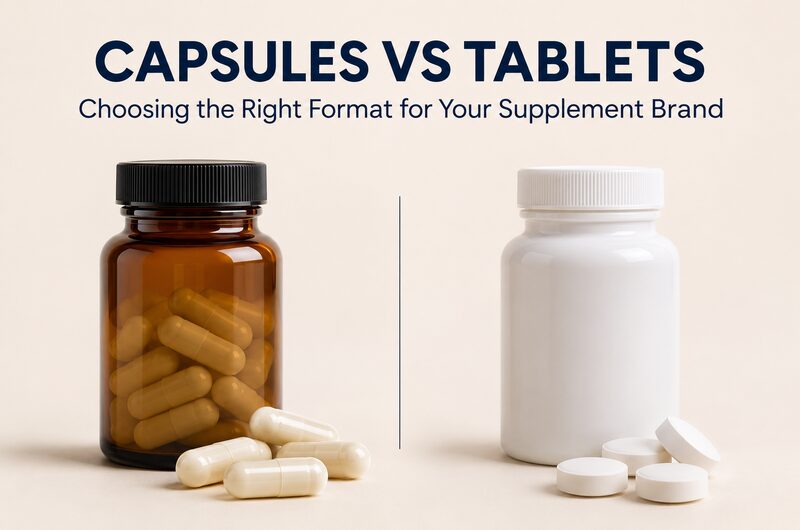
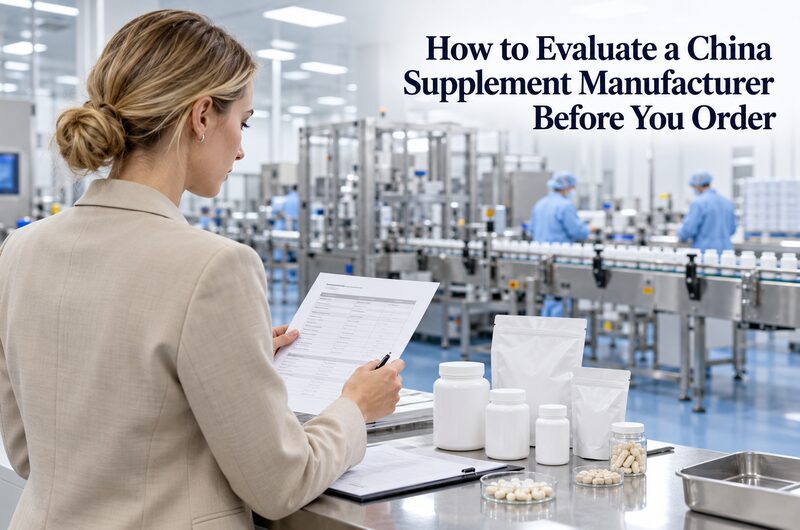
How to Evaluate a China Supplement Manufacturer Before You Order
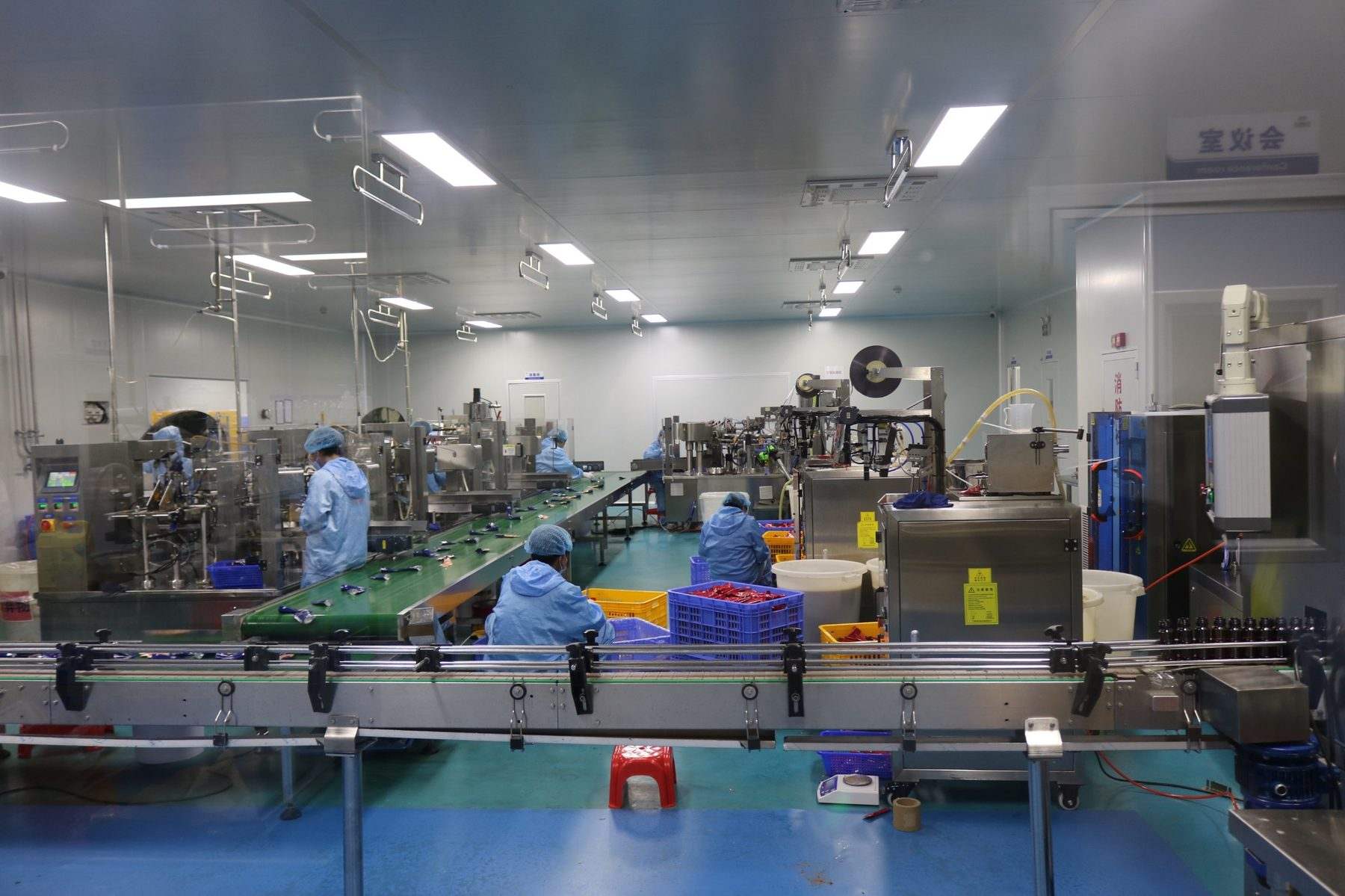
Capsules Gummies Powders and Softgels Guide for Supplement Brands