Private Label vs Custom Supplements: Which Is Right for Your Brand?
-
 Yukang Medicine Content & Manufacturing Team
- 25th August 2026
How to choose the right supplement development path for your timeline, budget, market position, and product roadmap.

A strong product decision begins with a clear commercial brief, not a label design alone.
What this guide helps you decide
Private label and custom supplements are not competing answers to the same question. They are two different ways to bring a dietary supplement to market. Private label uses an established base formula and focuses on brand presentation, packaging, and speed. Custom formulation begins with a specific product brief and gives the brand more control over ingredients, dose, delivery format, sensory experience, and positioning.
The right route depends on what you need to validate first. If the immediate goal is to launch, test demand, or add a proven format to an existing range, private label may be appropriate. If the product itself must be the differentiator, a custom supplement formula can be the better investment. This guide explains how to make that choice without treating either route as automatically better.
Private label vs custom supplements at a glance
| Decision factor | Private label supplements | Custom supplements |
| Formula | Established base formula | Built around the brand brief |
| Launch path | Usually shorter and simpler | Requires formulation review and sampling |
| Customization | Branding, packaging, selected options | Ingredients, dose, format, flavor, packaging |
| Best commercial use | Early launch, market test, range extension | Differentiated concept and long-term positioning |
| Development risk | Lower development complexity | More decisions and validation before production |
| Brand value | Fast route to market | More control over the product story |
When private label supplements make sense
Private label supplements are often the practical choice when speed matters more than formula novelty. A brand can begin with an existing supplement concept, apply its own name and label, choose packaging options, and move into production without starting every technical decision from zero. This makes private label supplement manufacturing useful for first launches, retailer trials, e-commerce testing, and catalog expansion.
The key is not to assume that “existing formula” means “generic brand experience.” Packaging, serving format, bottle configuration, label hierarchy, audience positioning, and the commercial message still need to be deliberate. A well-chosen established formula can give a brand a clear place in the market when the format and presentation match its target customer.
For established dosage forms, explore private label capsule manufacturing, private label gummy supplements, private label powder supplements, and private label liquid supplements.
When a custom supplement formula is the better choice
Custom supplements are appropriate when the formula itself must carry the commercial idea. That can mean a specific ingredient combination, a target dose, an exclusion requirement, a flavor profile, a format designed for a particular use occasion, or packaging developed for a defined channel. The development process should begin with what the customer needs and what the finished product must realistically deliver—not with a long list of fashionable ingredients.
A custom supplement formulation can make a product more distinctive, but it also creates more decisions. Ingredient compatibility, available fill weight, stability, taste, processing limits, packaging protection, lead time, and claim language should be assessed before artwork is finalized. This is where a manufacturer’s formulation and quality teams add value: they help translate a brand direction into specifications that can be sampled, tested, and produced consistently.

Custom formulation planning connects ingredients, dosage form, product experience, packaging, and manufacturability.
Cost, MOQ, and lead time: compare the right variables
It is tempting to compare private label and custom projects with one number: unit price. That does not reveal the full decision. Private label may reduce development work because an established formula and process already exist. Custom projects may require more time for ingredient sourcing, sample development, stability work, packaging selection, and artwork coordination. In return, they can create a stronger platform for differentiated positioning.
When asking for a quote, give the manufacturer a complete brief: target market, format, key ingredients, serving size, packaging, estimated quantity, desired timing, and any label requirements. At YKNatura, the standard website MOQ is 1,000 units; samples generally take 7–10 days and standard production is generally around 15 days, with longer timing possible for special packaging. Final timing always depends on the formula, packaging, and project requirements.
How to choose the right dosage form
The supplement format can determine which route is most practical. Capsules are portable and suit many established formulas. Powders and stick packs provide flexibility when the serving size is larger. Gummies may be a good fit when taste, texture, and lifestyle appeal are central to the product concept. Liquid products can support a ready-to-use experience, but require careful consideration of flavor, stability, and bottle or sachet packaging.
Choose the format after you define the product’s daily use, target serving, consumer preference, and sales channel. For example, a high-volume powder formula may not fit a capsule concept, and a complex gummy formula may require realistic expectations for active loading and sensory development. A manufacturer should help assess format feasibility before a brand commits to the final label or retail carton.
A practical decision checklist for brand owners
- Do we need to launch quickly, or is differentiation the primary objective?
- Is there an established formula that already fits our target customer and market?
- Which elements must be customized: label, packaging, flavor, ingredient selection, dose, or delivery format?
- What is our target market, and what labeling and claim requirements apply there?
- What serving size must the product realistically deliver?
- What quantity are we prepared to order for the first production run?
- Can we provide a clear benchmark sample, formula, or product brief to the manufacturer?
Quality, claims, and the responsibilities behind the label
Whether a brand selects private label or custom manufacturing, product quality and label accuracy cannot be treated as optional extras. In the United States, dietary supplement CGMP requirements apply to firms that manufacture, package, label, or hold dietary supplements. Claims also need to be truthful, non-misleading, and supported appropriately. A development conversation should therefore include raw-material specifications, testing needs, label content, and the target market before production is confirmed.
This article is general manufacturing information, not legal or regulatory advice. Requirements differ by market, product type, ingredient, and claim. Brands should obtain appropriate regulatory review for their intended market before launch.
How YKNatura supports private label and custom projects
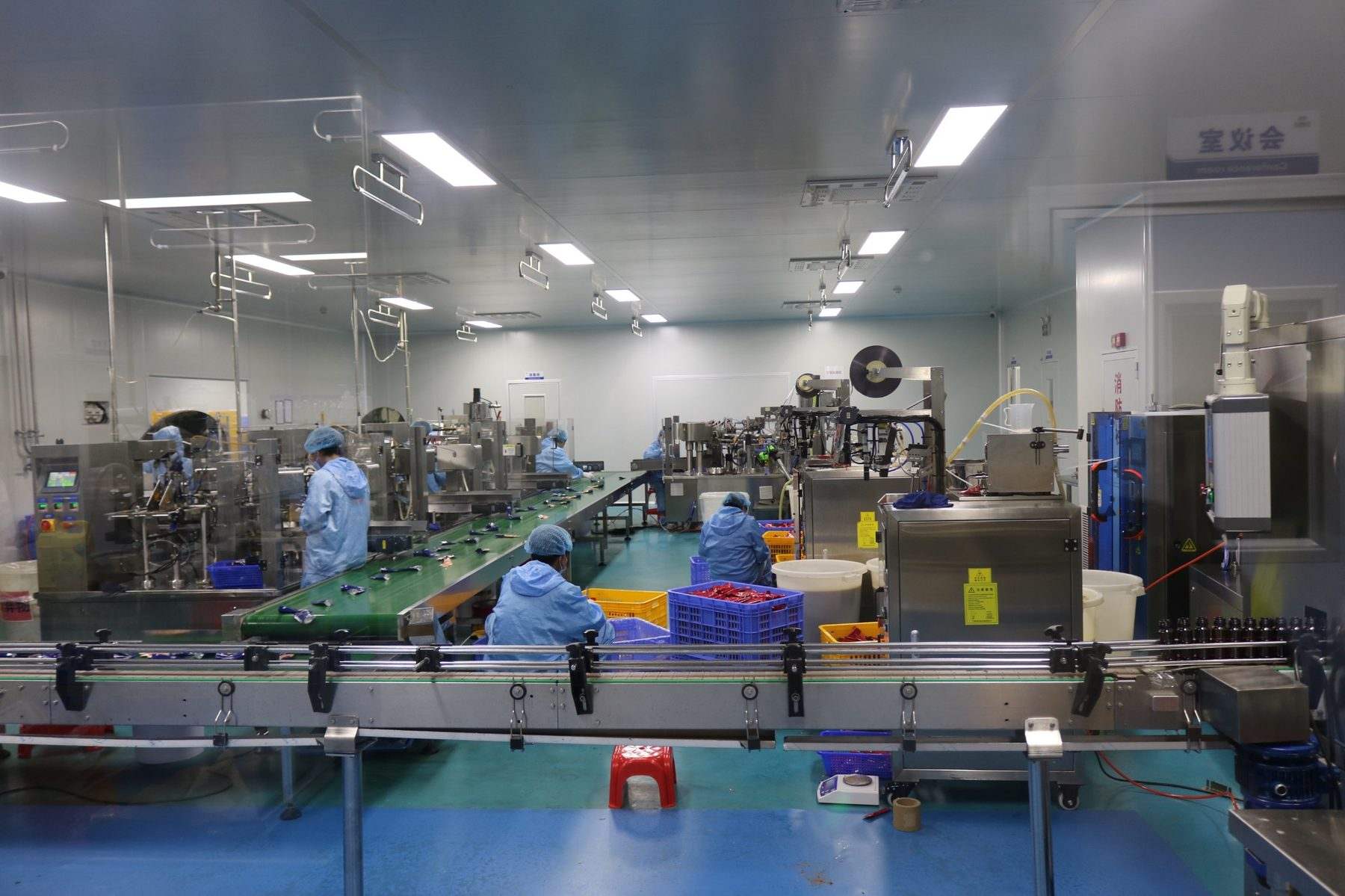
YKNatura, the manufacturing brand of Yukang Medicine (Guangzhou) Co., Ltd., supports private label, OEM, and ODM supplement projects across hard capsules, softgels, gummies, tablets, effervescent tablets, powders, drops, and liquid supplements. Brands can start with an existing product direction or bring a detailed formula, sample, or idea for a custom development discussion.
To evaluate your next step, visit our OEM and ODM supplement services or request a quote. Share your intended format, target ingredients, packaging needs, quantity, and market so our team can recommend a practical manufacturing path.
Frequently asked questions
What is the difference between private label and custom supplements?
Private label supplements use an established formula that is sold under your own brand and packaging. Custom supplements are developed around your specific requirements, such as ingredient selection, dose, format, flavor, and product position.
Is private label always cheaper than custom formulation?
Private label can reduce early development complexity, but the best commercial choice depends on the formula, format, ingredient requirements, packaging, order quantity, and target market. Compare the complete project requirements, not only the initial unit price.
Can I start with private label and later develop a custom formula?
Yes. Many brands use an established product to test a category or build distribution, then develop a custom formula once they have stronger market insight and a clear differentiation strategy.
What should I send to a supplement manufacturer for a quote?
Share your target market, product format, ingredient or formula requirements, serving size, packaging, estimated quantity, reference sample if available, and desired timeline. This allows the manufacturer to assess feasibility before quoting.
Who is responsible for supplement label claims?
The brand owner and the parties involved in marketing must ensure that claims are appropriate for the target market and supported by suitable evidence. Manufacturers can provide technical input, but regulatory review may be needed for complex claims or markets.
Yukang Medicine Content & Manufacturing Team
Latest Supplement Manufacturing Insights
How to Evaluate a China Supplement Manufacturer Before You Order
Capsules Gummies Powders and Softgels Guide for Supplement Brands