Navigating Global Supplement Regulations: FDA, cGMP, and HALAL Explained
-
 admin
admin - 25th August 2026
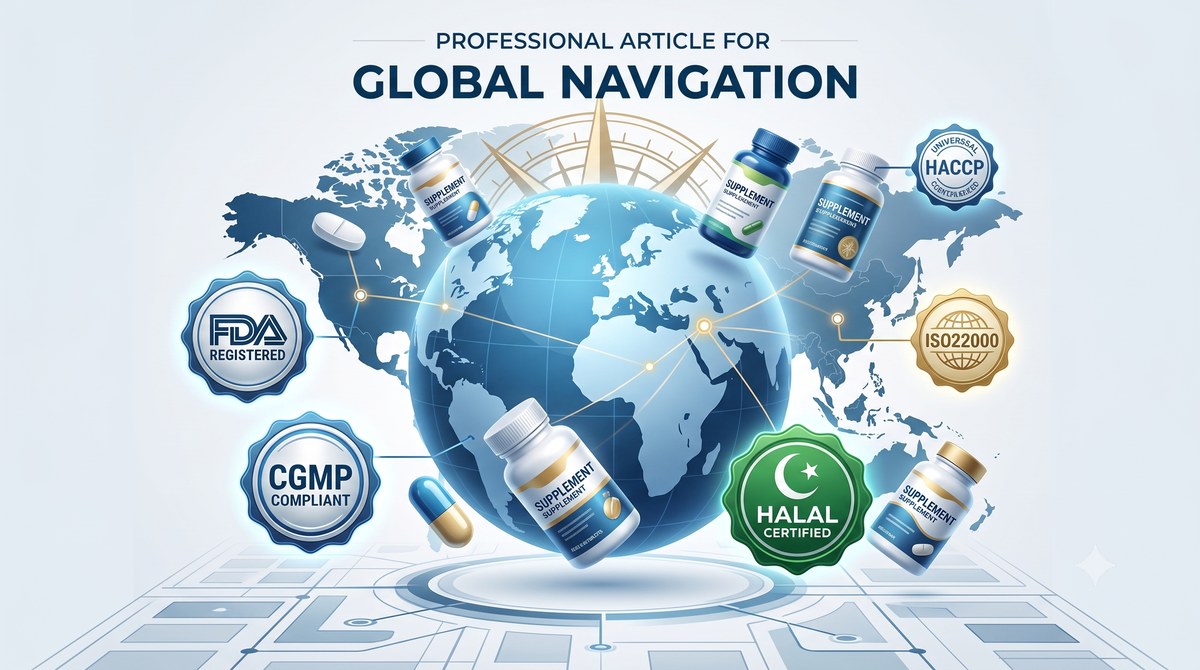
A practical guide for supplement brands that need to understand FDA expectations, cGMP manufacturing, halal certification, and multi-market compliance.
Why Compliance Matters for Global Supplement Brands
For dietary supplement brands, compliance is not just a technical requirement. It affects product development, labeling, export documentation, market access, and long-term customer trust. A product that looks promising on paper can face delays or rejection if its ingredients, production records, or quality documents do not match the requirements of the target market.
This is why experienced OEM and ODM manufacturers must support customers from formulation planning through finished-product delivery. Regulatory thinking should begin before sampling, not after mass production has already started.
FDA Requirements and Ingredient Responsibility
The United States is one of the most important markets for dietary supplements. Brands selling into the U.S. need to pay close attention to ingredient status, label claims, warning statements, manufacturing records, and product quality. While the FDA does not approve dietary supplements in the same way it approves drugs, companies are still responsible for ensuring their products are safe, properly labeled, and manufactured under applicable rules.
For OEM/ODM projects, this means ingredient review, documentation, and clear communication between the brand owner and the factory are essential. New formulas should be checked early to avoid compliance problems later.
cGMP Manufacturing and Quality Control
cGMP standards help ensure that products are consistently manufactured, tested, packaged, and stored. A reliable supplement factory should have controlled production areas, trained operators, batch records, raw-material inspection procedures, finished-product testing, and traceability systems.
For brand owners, working with a cGMP-oriented manufacturer reduces risk and improves consistency from the first order to repeat production. It also makes it easier to prepare documents for distributors, customs clearance, and platform reviews.
HALAL Certification for Middle Eastern Markets
Halal certification is increasingly important for brands targeting the Middle East, Southeast Asia, and Muslim consumer groups worldwide. It may involve requirements related to raw materials, alcohol-free formulas, processing aids, production lines, storage, and documentation.
Manufacturers with halal-ready production systems can help brands enter these markets more efficiently. For liquid supplements, gummies, softgels, and collagen products, halal review should be discussed at the formulation stage.
How Brands Can Reduce Compliance Risk
The best approach is to confirm the target market before formula development begins. Brands should ask for ingredient documentation, production standards, testing options, packaging specifications, and export-related certificates early in the project.
A good OEM/ODM partner should not only produce the product, but also help organize the compliance path so that launch timelines are more predictable.
admin
Recent Posts
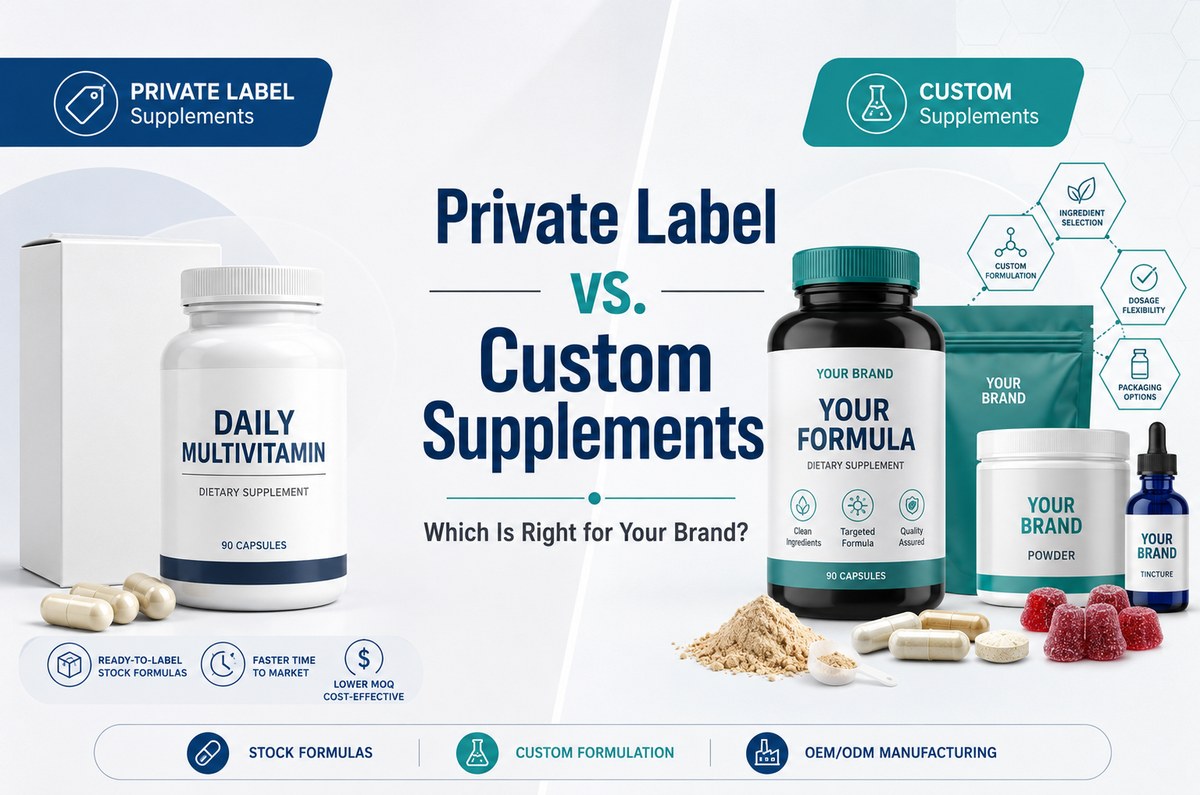
Private Label vs. Custom Supplements: Which Is Right for Your Brand?
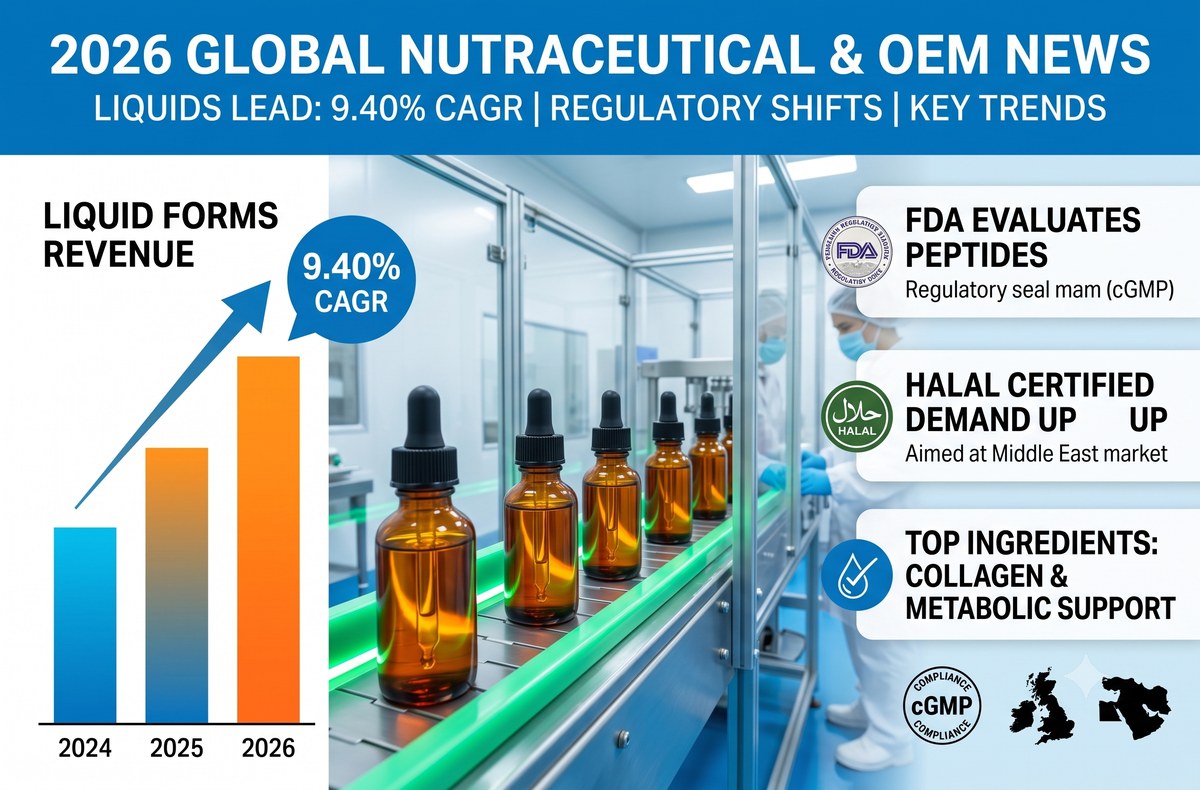
2026 Supplement Manufacturing Trends: What Brands Need to Know