Capsules vs Tablets for Private Label Supplements: How to Choose the Format That Works
-
 Yukang Medicine Content & Manufacturing Team
- 17th November 2026
Start with what has to fit inside — not the bottle you want to sell.
Choosing between capsules and tablets sounds simple at first. It usually is not. The bottle may look similar either way, but the decision changes the formula work, the daily serving, the packaging plan, the quote, and sometimes the launch date.
Here is the plain-English version: first decide what the ingredients need. Then decide what your customer can realistically take. Only after that should you lock in the dosage form, bottle, and artwork. That order saves a surprising amount of backtracking.
Quick answer. Capsules are often a practical place to start for dry blends that fit into a reasonable number of units. Tablets can work very well when a blend can be pressed into a stable, comfortable size. A high-volume serving, an oil-based ingredient, or a taste-led concept may point to another format altogether.

Real YKNatura production-floor photo. The format is a manufacturing decision before it becomes a bottle-and-label decision.
Why the Formula Comes Before the Bottle
A buyer may ask, “Can we make this as two capsules?” That is a fair question. But two capsules are not a fixed amount of space. One powder may pack tightly. Another can be light, fluffy, or harder to handle. Two formulas with the same number of milligrams on paper can take up very different amounts of room in real life.
Tablets have their own reality check. The blend does not just need to fit. It needs to move through the process and press into a unit that holds together. A formula can be perfectly fine inside a capsule and still be a poor candidate for a tablet. That is why “tablet or capsule?” should be a feasibility question, not a design preference alone.
If you are still comparing directions, start with the full supplement product format range. Looking at capsules, tablets, powders, softgels, gummies, and liquids side by side is often the fastest way to spot a format that is trying too hard to solve the wrong problem.
Capsules and Tablets at a Glance
| Question | Capsules | Tablets |
| How is it made? | Powder is filled into a shell. | A blend is pressed into a solid unit. |
| Usually worth exploring when … | The formula is dry and fits a realistic capsule count. | The blend can be compressed and the intended tablet is practical to swallow or chew. |
| Common buyer surprise | A large or fluffy serving may need more capsules than expected. | A blend that works in a capsule may not press into a durable tablet. |
| What to decide early | Shell type, capsule size, capsules per serving and bottle count. | Tablet size, shape, coating or chewable direction, and tablets per serving. |
| Packaging conversation | Bottle size, desiccant needs and label panel space. | Bottle or blister choice, breakage risk, coating and label panel space. |
There is no trophy for squeezing a large daily serving into the fewest possible units. If the customer needs four capsules for a useful serving, that can still be a better product than an oversized tablet they do not want to swallow. The right choice is the one that stays realistic from sampling through repeat orders.
When Capsules Are Usually the Easier Conversation
Hard capsules are often worth looking at for dry, powdered formulas. They can keep a noticeable taste or smell out of the customer experience, and they give a brand some flexibility around shell type, capsule size, and capsules per serving. That can make them a comfortable fit for many botanical extracts and moderate-dose blends.
Capsules may be a sensible starting point when the project includes:
- Dry herbal or botanical blends that fit a practical daily capsule count.
- A single ingredient or a moderate-dose combination.
- Ingredients with a strong taste or odor that you would rather not turn into a chewable product.
- A brand preference for gelatin or vegetarian capsule shells.
- A concept that may need some room to adjust capsule size or capsules per serving after feasibility review.
The catch is capacity. If the serving is bulky, the brand may need more capsules than planned. A smart sample review does not hide that fact. It makes the trade-off visible early, while changing the serving or dosage form is still easy.
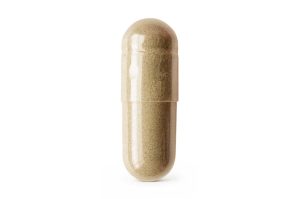
Real YKNatura hard-capsule product photograph. What matters is the finished serving and capsule count, not the ingredient name alone.
For a closer look at shell choices, packaging, and development questions, visit our private label hard capsule manufacturing page. A finished concept such as HMB capsules 3000 mg also shows why the proposed serving, capsule count, and bottle count need to be discussed before anyone promises a particular capsule count.
When Tablets Make More Sense
Tablets can be a strong choice when the formula is suitable for compression and the unit can be kept at a sensible size. They can offer a familiar, tidy format and can be designed as swallowable or chewable tablets depending on the project. For some brands, that makes the label story and daily routine very easy to understand.
Still, a tablet is not simply “capsule powder with pressure.” The formulation has to press cleanly and remain intact through handling and packaging. That means the final decision should come after a feasibility review, not after the label has already been approved.
A tablet route is often worth exploring when:
- The ingredient blend can form a stable tablet at a workable size.
- The intended customer experience favors one or two familiar solid units.
- A chewable, flavored, or shaped format is part of the product idea.
- The formula and packaging plan have been reviewed together instead of separately.
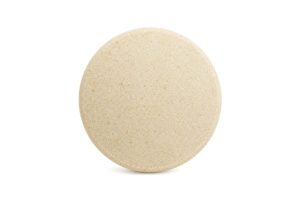
Real YKNatura tablet product photograph. Tablet size, break resistance, surface and serving count should be checked on the sample, not guessed from a rendering.
Our custom tablet and chewable tablet manufacturing page is a useful next stop if the idea involves a compressed tablet, a chewable direction, or a specific shape and flavor conversation.
Sometimes the Best Answer Is Neither
This is the part buyers sometimes skip. If the formula needs a large serving, forcing it into capsules or tablets can create an awkward product. The same goes for oils, or for concepts where flavor and drinking experience are the point. A powder, softgel, gummy, liquid, or chewable product may be a cleaner answer.
For example, a large drink-mix serving may belong in a powder stick pack or tub. An oil-based ingredient may be better suited to a softgel or liquid format. A product designed around flavor may be stronger as a gummy or chewable. The goal is not to sell the “easiest” format. It is to avoid building a brand around a format that fights the formula.
The Five Decisions to Make Before You Ask for a Quote
A short, clear brief gives a manufacturer something real to evaluate. You do not need a laboratory-style document on day one. These five answers are usually enough to start a useful conversation.
- What is the product trying to be?State the basic product idea in one plain sentence. Example: “A vegetarian capsule blend for a daily wellness routine,” not a list of half-formed marketing phrases.
- What is the intended serving?Share the ingredient list and target amount per day if you have it. If you do not, say what you are trying to achieve and ask for a practical format recommendation.
- Who is it for and where will it sell?The destination market affects label review, packaging choices, and documentation conversations.
- What does the finished pack look like?A bottle, blister, pouch, or carton choice can affect cost, timing, and the amount of space needed for required information.
- What quantity and launch window are realistic?A rough first-order quantity and target launch month are more helpful than pretending everything is urgent.
If you want a format opinion instead of a generic price list, send those five points through our project contact page. A good reply should explain what is feasible, what still needs confirming, and which assumption is driving the quote.
MOQ, Samples, and Timing — in Plain English
These three topics are connected. The formula affects the manufacturing route. The route affects the materials. The materials and packaging affect the minimum order and the timeline. That is why an honest answer begins with “it depends,” followed by the details that actually make it depend.
At YKNatura, many standard private label projects start from 1,000 units, but the practical MOQ can change with the formula, capsule shell, tablet design, custom packaging, and printed-material requirements. Treat the MOQ as a project discussion, not a number to copy from another product.
For a clear brief, sample work commonly needs around 7–10 days as a planning reference. After the formula, artwork, packaging materials, and approvals are in place, a typical production estimate is around 15 days. Both figures are planning guides, not promises: custom sourcing, special testing, label changes, and shipping arrangements can move the schedule.
A practical rule. Do not approve artwork based only on an ideal unit count. Review the physical sample, the actual serving, the bottle fill, and the label panel together. A small correction there is far cheaper than a correction after materials are printed.
Packaging Quietly Changes the Whole Project
Packaging is not the final decoration step. It touches product protection, shipping, customer experience, and the label space available for product information. With capsules, a bottle and desiccant plan may matter if the formula needs moisture protection. With tablets, coating, breakage resistance, and whether the product goes into a bottle or blister can all change the discussion.
Keep the bottle count and daily serving connected. A 60-count bottle means something very different when the serving is one unit a day versus four. Buyers sometimes choose the bottle first because it looks good in a mockup. It is safer to confirm the serving first, then make sure the pack supports it.

Real YKNatura factory photograph. Samples and finished-pack details should be reviewed as one project, not as separate handoffs.
Five Real-World Format Calls
These are not formulas to copy. They are simple examples of the questions a buyer should ask before locking into a dosage form.
- A strong-smelling botanical blend.Capsules may be a sensible first route if the daily serving fits. A chewable tablet would add a flavor challenge that the product does not need.
- A dense mineral blend.A tablet might be possible, but the final size, swallowability, and compression result need to be checked. There is no shortcut around the sample.
- A large daily serving.A powder can be the more honest and customer-friendly answer. Four oversized capsules are rarely a better experience just because they look simple online.
- An oil-based concept.Ask about a softgel or liquid route rather than trying to turn the idea into a dry solid format.
- A flavor-led everyday product.A chewable, gummy, or drink format may carry the concept better than a standard capsule or tablet.
What a Good Sample Should Tell You
A sample is not just a formality. It should answer the questions that a specification sheet cannot. Does the capsule count feel realistic? Is the tablet comfortable to take? Does the bottle hold the promised number of units without looking underfilled? Is the label panel large enough for the required information? Does the finished product match the direction you intended to sell?
Write down what you are approving. If you are changing shell color, tablet shape, count per bottle, or packaging after the sample, make sure the update is visible in the next confirmation. “Looks good” is not a production instruction.
Frequently Asked Questions
Is a capsule always easier to manufacture than a tablet?
No. Capsules can be a practical route for many dry formulas, but the serving still has to fit and the powder still has to behave appropriately. Tablets add compression requirements, so feasibility should be checked against the final blend rather than assumed from the ingredient list.
Can I decide the capsule size before the formula is final?
You can state a preference, but it should remain a preference until the blend is reviewed. The final capsule size and number of capsules per serving depend on fill weight, powder density, and the realistic daily serving.
Can the same formula be made as both a capsule and a tablet?
Sometimes, but not automatically. A blend that fills well into a shell may need adjustment before it can be pressed into a durable tablet. Treat the two formats as related development routes, not interchangeable containers.
What minimum order quantity should I expect?
Many standard projects begin from 1,000 units at YKNatura, but a confirmed MOQ needs the formula, format, packaging, and artwork plan. Printed materials and special components can change the practical minimum.
How long does a first project take?
A clear brief can support sample planning in roughly 7–10 days. Production is often planned around 15 days after formula, packaging, artwork, and approvals are ready. Custom sourcing, testing, revisions, and shipping can add time, so confirm the schedule for the exact project.
Should I choose the packaging before I have a sample?
Choose a direction, not a final locked spec. The physical sample should confirm the capsule or tablet count, the bottle fill, and the space needed for label information before printed materials are released.
A Simple Way to Move Forward
If you already have a formula, send the ingredient list, serving target, market, preferred format, packaging idea, quantity, and launch window. If you only have an idea, say that clearly. Starting with a real conversation is better than inventing specifications that will change a week later.
YKNatura supports private label and custom supplement projects across capsules, tablets, powders, gummies, liquids, and other formats. You can explore the full product range, review hard capsule options, or start a project discussion. Email: marketing@collagenyoung.com | WhatsApp: +86 189 8885 7009.
This guide is for format planning and purchasing conversations. It is not medical, regulatory, or legal advice. The final product, label, and market requirements should be confirmed for the specific destination market.
Yukang Medicine Content & Manufacturing Team
Latest Supplement Manufacturing Insights