Private Label vs. OEM vs. ODM Supplements: Which Manufacturing Model Fits Your Brand?
-
 Yukang Medicine Content & Manufacturing Team
- 22nd October 2026

The Short Answer
Choosing a supplement manufacturer is not only about the lowest unit price. Before requesting quotations, a brand needs to decide how much control it wants over the formula, how quickly it needs to launch, and how much product-development work it is prepared to take on. That is where private label, OEM and ODM manufacturing differ.
These terms are often used loosely in the supplement industry. In practice, the best option depends on your starting point. Do you already have a finished formula? Are you testing a new product category? Do you need help selecting ingredients, developing a flavor or choosing packaging?
One important detail: these terms do not automatically determine formula ownership, exclusivity or intellectual-property rights. Those points should always be confirmed in writing before a project begins.
| Manufacturing Model | Starting Point | Formula Control | Development Support | Best For |
| Private Label | Existing formula or ready-to-customize concept | Moderate | Lower | Faster launches and market testing |
| OEM | Brand-defined formula or product specification | High | Production-focused | Brands with clear product requirements |
| ODM | Brand idea, target market or product brief | Medium to high | High | Brands needing formulation and product-development support |
What Is Private Label Supplement Manufacturing
Private label supplement manufacturing is often the most practical way for a new brand to enter the market quickly. The manufacturer begins with an established product concept or formula. The customer then applies its own brand identity through labels, bottle selection, cartons, pouches or other packaging elements. Depending on the project, there may also be flexibility around flavor, serving format or selected supporting ingredients.
For example, a brand that wants to launch an electrolyte stick pack may begin with a ready-to-customize private label electrolyte powder concept. A brand entering the beauty category may choose a private label collagen powder or a bottled liquid format.
Private Label Is Usually Best When
- You want to launch a product range without a long R&D stage.
- You are testing demand in a new category or sales channel.
- You need a practical starting point for an Amazon, Shopify, retail or distributor launch.
- Your priority is custom branding and packaging rather than building a formula from the ground up.
- You want to begin with a manageable MOQ before expanding your SKU range.
Private label does not mean the product needs to look generic. A greens brand, for example, can begin with a private label greens powder concept while choosing its own flavor direction, tub or pouch format and retail presentation.
What Is OEM Supplement Manufacturing
OEM stands for Original Equipment Manufacturing. In supplement manufacturing, it usually means the brand provides a more developed product specification and the manufacturer produces the finished product according to the approved requirements.
The brand may already know the target ingredients, serving size, dosage form, flavor, bottle type, packaging format or label requirements. Some brands also provide a benchmark product, existing sample or detailed Supplement Facts panel for technical review. OEM is a strong option when product control matters more than speed.
For instance, a sports nutrition brand may need a specific serving size, flavor system and packaging format for a private label creatine monohydrate powder. The brand has a clear commercial direction; the manufacturer focuses on feasibility, sourcing, production, quality checks and finished packaging.
OEM Is Usually Best When
- You have a completed or near-completed formula brief.
- You need specific ingredient levels, raw-material requirements or serving sizes.
- You have product samples or an existing product specification.
- You want more direct control over the final formula and package.
- You have an established brand, defined target market and clearer purchasing forecast.
OEM projects require more documentation and more detailed communication than simple private label work. Before confirming an OEM project, both sides should align on the formula specification, packaging materials, label content, testing plan, approved sample, production lead time and change-control process.

What Is ODM Supplement Manufacturing
ODM stands for Original Design Manufacturing. For supplement brands, ODM is the right option when a customer has a product direction but needs the manufacturer to contribute more heavily to development.
A brand may say, “We want a daily liquid beauty supplement in a convenient bottle,” or “We want a coffee-based functional powder for the wellness market,” but may not yet know the final formula, flavor, packaging or technical requirements. The manufacturer helps transform that initial brief into a workable product plan. This can include ingredient suggestions, dosage-form selection, flavor development, sample preparation, packaging recommendations and production planning.
A good example is a brand interested in a custom private label mushroom coffee. The customer may know its target audience and preferred market position, while the manufacturing team helps determine the powder system, coffee profile, packaging format and final product specification.
Another example is a bottled beauty product. A brand can begin with a private label collagen drink concept, then work through bottle size, flavor, supporting ingredients, carton style and market requirements before production.
ODM Is Usually Best When
- You have a product idea but no completed formula.
- You want a more differentiated product than a standard ready-made concept.
- You need help choosing a suitable dosage form.
- You need support with taste, appearance, packaging or serving format.
- You do not have an in-house supplement formulation team.
ODM is not a hands-off process for the brand. The manufacturer can guide technical development, but the brand should still make final decisions on its target market, positioning, label claims, packaging look, product price point and approval samples.
How to Choose the Right Model for Your Brand
How quickly do you need to launch
If speed is the priority, private label is usually the most practical starting point. Using an established concept reduces the early development stage and lets the brand focus on packaging, sales channels and launch planning. If you are willing to spend more time on formulation and samples, OEM or ODM may create a more tailored result.
Do you already have a formula
If the answer is yes, OEM may be the correct route. If you have an idea but need technical support to create the formula, ODM is more suitable. If you mainly need a proven product concept under your own brand, private label may be enough.
Where do you need differentiation
Not every product needs a completely new formula. Sometimes differentiation comes from the format, serving convenience, flavor, packaging, audience or retail strategy.
- A sports brand may differentiate a private label whey protein powder through flavor selection, pouch design and serving format.
- A wellness brand may differentiate a private label matcha green tea powder through premium packaging and a focused lifestyle audience.
- A beauty brand may differentiate a liquid product through bottle design, multi-bottle gift boxes and a clear daily-use routine.
What level of involvement can your team manage
Private label requires less early-stage product-development work. OEM requires more detailed specifications from the brand. ODM requires close collaboration because the product is being shaped from the brief through sample approval. The right choice is the one your team can manage well—not the one that sounds most advanced.
Three Realistic Brand Scenarios
A new e-commerce brand testing demand
A new e-commerce seller wants to launch electrolyte sticks and needs to enter the market quickly. The team has a brand name, packaging direction and online sales plan, but no proprietary formula. Private label is likely the best starting point. The business can use a ready-to-customize product concept, build a branded package and test demand before expanding its product range.
An established brand with a defined product brief
An established sports nutrition company already has a desired ingredient profile, flavor benchmark, pack size and label requirements for a powder supplement. OEM is likely the best fit. The manufacturer can review the brief, assess production feasibility, prepare samples and manufacture against the approved product specification.
A brand with a market opportunity but no final formula
A beauty and wellness company wants to create a daily liquid supplement for a specific retail audience. It knows the desired price range and packaging style but needs help with the formula, flavor and bottle. ODM is likely the better route. The brand provides the commercial direction, while the manufacturer helps build a practical, scalable finished product.
Beyond the Manufacturing Model
Private label, OEM and ODM are useful labels, but they are only the start of the conversation. Before choosing a supplement manufacturer, confirm the details that affect the final product.
- Is the formula suitable for your target market?
- What ingredients, dosage form and packaging are feasible?
- What is the minimum order quantity?
- How long will samples take?
- What quality checks and documentation are included?
- Who approves the final formula, label and packaging artwork?
- What happens if an ingredient or packaging component needs to change?
- Are formula ownership and exclusivity terms documented clearly?
A good manufacturing partner should be able to answer these questions directly. The cheapest quotation is not always the lowest-risk decision if the scope, specifications or quality responsibilities are unclear.
How YKNatura Supports Private Label OEM and ODM Projects
YKNatura is operated by Yukang Medicine (Guangzhou) Co., Ltd., a dietary supplement manufacturer based in Guangzhou, China. We support global supplement brands, distributors and e-commerce businesses with private label, OEM and ODM manufacturing across powders, liquid supplements, capsules, softgels, gummies, tablets and effervescent tablets.
Our team can support projects from an early product idea through formula review, ingredient selection, sample development, packaging customization, manufacturing, quality documentation and export coordination.
Brands can explore our main private label supplement product categories or review our manufacturing services before submitting a project brief.
Typical Project Information to Share
| Information to Share | Why It Matters |
| Target market | Helps guide formula, label and packaging requirements |
| Product format | Determines the production route and packaging options |
| Preferred ingredients | Supports formula evaluation and sourcing |
| Estimated order quantity | Helps determine the appropriate MOQ and production plan |
| Packaging preference | Affects cost, timing and retail presentation |
| Launch timing | Helps identify whether private label, OEM or ODM is realistic |
YKNatura generally supports MOQ from 1,000 finished units. Sample development typically takes 7–10 days, while standard bulk production is commonly around 15 days after final confirmation. Timelines may change based on formula complexity and customized packaging requirements.

Frequently Asked Questions
Is private label the same as OEM?
Not always. Private label usually describes selling a product under your own brand, often beginning with an existing formula or product concept. OEM generally refers to a manufacturer producing a product according to the buyer’s defined specifications.
Is ODM better than OEM?
Neither is automatically better. ODM is useful when a brand needs more formulation and product-development support. OEM is more suitable when the brand already has clear product requirements.
Can I customize a private label supplement?
Yes. The available customization depends on the product. Packaging, labels, flavors, serving formats and selected formula elements may be adjustable, subject to feasibility and project requirements.
Which model is best for a first-time supplement brand?
For brands that need to move quickly and test demand, private label is often the simplest starting point. Brands with a unique formula or stronger differentiation goals may need OEM or ODM support.
Can one manufacturer support powders capsules gummies and liquids?
Yes. Working with a manufacturer that supports multiple dosage forms can make it easier to expand a product line over time.
What should I prepare before contacting a supplement manufacturer?
Prepare your target market, product format, preferred ingredients, packaging direction, estimated quantity and desired launch date. If you have a formula, label draft, product sample or reference product, include those as well.
Ready to Choose Your Supplement Manufacturing Model
There is no one manufacturing model that fits every brand. Private label may be the fastest route. OEM may provide more formula control. ODM may be the right choice when you need experienced product-development support.
If you have a formula, a sample or simply a product idea, share it with YKNatura. Our team can help you evaluate whether a private label, OEM or ODM approach is the most practical route for your supplement project.
Website: https://www.yknatura.com/
Email: marketing@collagenyoung.com
WhatsApp: +86 18988857009
Yukang Medicine Content & Manufacturing Team
YKNatura, operated by Yukang Medicine (Guangzhou) Co., Ltd. in Guangzhou, China, provides Private Label, OEM and ODM dietary supplement manufacturing for global brands. This guide helps buyers identify whether an existing ready-to-customize product, a brand-defined formula or manufacturer-assisted product development is the most suitable route for their supplement project.
Latest Supplement Manufacturing Insights
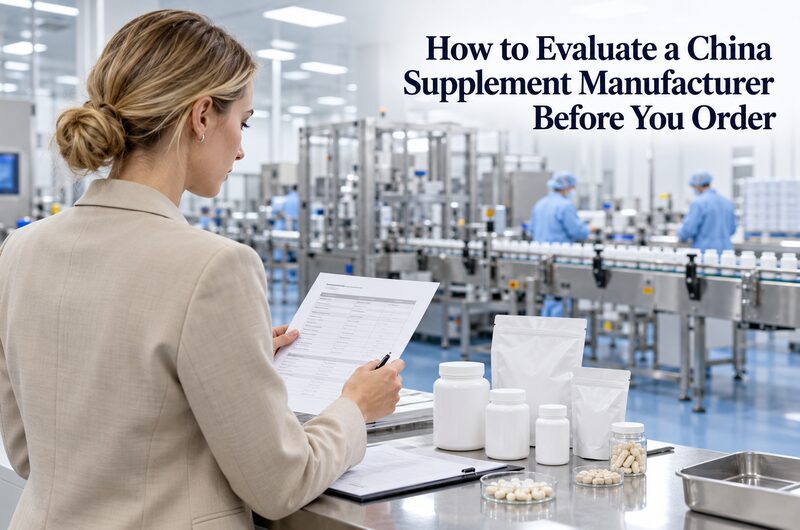
How to Evaluate a China Supplement Manufacturer Before You Order
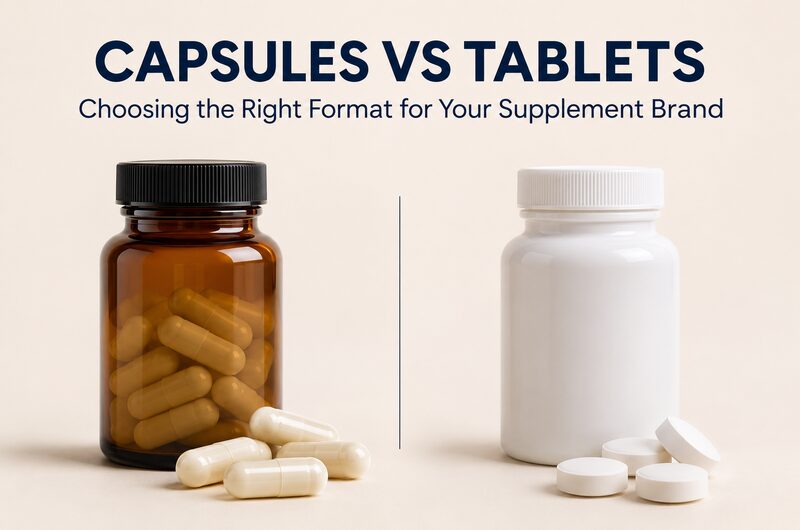
Capsules Gummies Powders and Softgels Guide for Supplement Brands